

Add Row
Add Element
Chambers First Class Connetions KC
update
Jet Centers USA -
Learn to Fly Schools
Where Jet Setter's Stay and Play
cropper
update
Add Element
  • HOME
  • Categories
    • Restaurants
    • Jets Charter Private
    • Fitness
    • Flight Training Centers
    • Jet Centers & FBO
    • Aircraft & Automobiles
    • Outdoor Fun
    • Hotels & Resorts
    • Extra Travel News
    • Featured
    • Catering
    • Restaurants Vegan
    • Toys For Boys
    • OJC Airport - Corporate Gold Directory
    • Business Directory Johnson County
    • Airport Sponsers
    • EAA
    • Ultralights
    • FXE Fort Lauderdale Business Directory
    • EAA AirVenture
Add Element
  • update
  • update
  • update
  • update
  • update
  • update
  • update
February 23.2025
3 Minutes Read

Discover How Microfestivals Are Redefining Art and Music Experiences

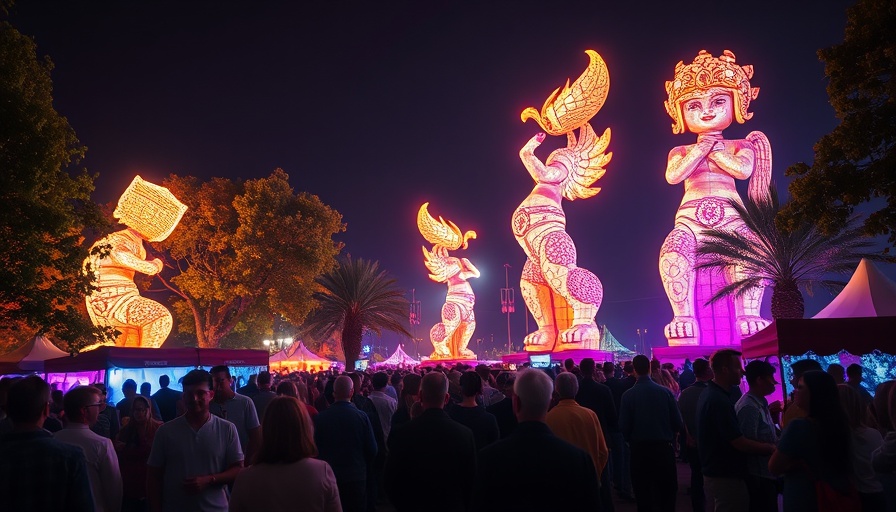
Microfestivals celebration with illuminated sculptures at night.

Why Microfestivals Are the Freshest Take on Music and Art

In recent years, traditional music festivals have come under scrutiny for their overwhelming scale and impersonal environments. Enter the microfestival—a movement that's redefining the festival experience into something much more intimate and engaging. With fewer attendees, these curated events foster a sense of community and personal connection to the art and artists, creating a profoundly refreshing experience for both attendees and musicians alike.

The Rise of Microfestivals: A New Trend Emerges

When faced with the challenges posed by the pandemic, event organizers like Greg Habib began to rethink the large-scale festival model. Habib launched Immersion Community, designed to bring together small, like-minded groups of people for unique experiences. For him, it was about replacing the dizzying crowds of mega-festivals with a more personal gathering where everyone knows each other and truly connects.

“Doing something with 100 people, where everybody is friends, is way more interesting than with 10,000,” he asserts. His vision is echoed by a ripple of new organizers across the globe who are creating similarly intimate art and music experiences.

Curated Experiences: Creating Connections

Microfestivals often take place in breathtaking locations, adding to their allure. Habib’s extravagant events go as far as offering gondola rides amid the backdrop of the Amazon rainforest. Ondalinda, founded by Lulu Luchaire, follows a similar ethos, emphasizing exclusivity and engagement with the arts community.

The environment of these festivals not only enhances the aesthetic experience but also encourages participatory art forms, allowing attendees to take part in workshops or discussions that a typical large-scale festival might overlook. As seen with events like the Mistress Mary festival in the UK, an emphasis on non-traditional formats—including 'no-photos-allowed' rules—fosters an atmosphere free from the distractions of social media.

Why Go Small? The Psychology Behind Microfestivals

These smaller events naturally draw a specific crowd—those eager for a unique experience that feels more like a community merger than simply a large gathering. They challenge the notion of the festival scene as a mere concert—a microfestival invites creativity, collaboration, and experimental artistry.

The added value of supporting emerging artists becomes another critical reason to choose microfestivals. Many events prioritize showcasing underrepresented or niche genres, allowing attendees to discover music they might not encounter elsewhere. This creates a mutually beneficial relationship between artists and attendees—one where community feeds creativity.

Planning Your Microfestival Experience

For festival-goers seeking an alternative, small-scale festivals provide the perfect escape from commercialized music events. They offer intimate performances, unique venues, and opportunities for deeper engagement with artists and fellow attendees. Events like Treefort Music Fest and Iceland Airwaves draw audiences looking for authenticity in their musical experiences.

As attendees weigh their festival options this season, they have the chance to support a new wave of artistic expression while indulging in social experiences that larger festivals often fail to provide. Choosing a microfestival can feel like walking into an artist’s home gallery instead of a crowded art fair, emphasizing personal connection over anonymity.

The Future of Festivals

As we move forward, the microfestival trend isn’t just a stopgap for festival hosts; it’s an evolution in how we consume art and music. The need for human connection and collaboration has never been more vital, and microfestivals are rising to meet this need. With countless celebrations cropping up globally, it's clear that the smaller, intimate gatherings have carved a permanent place in the festival landscape.

For many, choosing to attend a microfestival can cultivate a deeper appreciation for the performing arts and foster a sense of belonging within a community—all while supporting the uniqueness of diverse artists and their cultural narratives.

Jet Centers & FBO

0 Comments

Write A Comment

*
*
Related Posts All Posts

Why China’s Luxury Market Prepares for a Careful Comeback by 2026

Update Shifts in China's Luxury Market: Understanding the Recovery As China's luxury market gears up for a cautious rebound in 2026, the dynamics of consumer behavior are changing significantly. Bain & Company's recent report reveals signs of recovery from the harsh declines seen during the pandemic, with a modest contraction of 3% to 5% in 2025, a welcome improvement from a staggering decline of up to 19% in 2024. The rebound indicates a gradually recovering consumer confidence in mainland China, buoyed by a more positive macroeconomic outlook. Revisiting What Luxury Means With younger generations increasingly dominating the luxury consumer base, perceptions of luxury are evolving. Luxury is no longer strictly about brands and heritage—today’s customers seek value, authenticity, and experiences. This shift has prompted brands to rethink their traditional strategies; they are now focusing on offering products that cater to affordability while still appealing to the luxury sensibility. The Impact of the Daigou Trade While domestic consumption shows signs of revival, grey-market channels like daigou sellers continue to exert significant influence. These personal shoppers are favorable to cost-conscious consumers, often providing them with access to luxury goods at competitive prices. The daigou phenomenon has grown, with sales tracked by Re-Hub indicating a 3% increase in 2025, showcasing how these markets often outpace official retail growth. Domestic Growth vs. Outbound Spending Interestingly, while the mainland market is recovering, overseas luxury spending by Chinese consumers plummeted by 13% in 2025. This decline signals changing travel habits and a shift in priorities—from shopping to experience-driven expenditures. As local brands enhance their offerings, consumers are embracing domestic purchases, partially due to narrowing price discrepancies and improved product availability. Future Outlook: A Shifting Landscape Looking ahead, experts predict a fragile but positive trajectory for China’s luxury market in 2026. Although competition from home brands is intensifying and consumers are more selective, the potential for modest growth persists. From expanding flagship stores by major brands to the rise of local players innovatively blending cultural relevance and quality, the landscape of luxury consumption in China is evolving rapidly. As the market recalibrates to meet the needs of a younger, discerning clientele, understanding these shifts will be paramount for brands aiming to thrive in this transformed environment.

The Crumbling of Luxury's Data Silos: How AI is Reshaping the Industry

Update Bridging the Gap: The Future of AI in Luxury At the recent World Economic Forum 2026, the landscape of artificial intelligence (AI) took center stage as conversations transitioned from theoretical discussions to practical implementation. The luxury sector, often perceived as hesitant to modernize, is now at a pivotal moment. The emergence of tools like DLG’s LuxuryIQ Model Context Protocol (MCP) holds the promise of breaking down the barriers created by data silos that have historically hindered strategic intelligence. From Ambition to Activation: The Luxury Sector's AI Journey Despite luxury brands enthusiastically adopting AI technologies for marketing and creative processes, a significant gap remains. While over 60% of luxury executives have integrated generative AI into their marketing strategies, only a fraction harness the potential of AI for consumer insights and data analytics. In a world where two-thirds of these leaders recognize analytics as AI's most valuable opportunity, addressing the disconnect is essential. The challenge lies not in technological capability, but in the fragmented nature of existing data infrastructures. Understanding the Role of Data Fragmentation in Luxury’s AI Landscape A luxury brand typically navigates through 15-30 distinct data sources, each managing separate aspects of consumer behavior. This fragmentation can lead to incomplete customer profiles and missed opportunities for cross-selling. According to research, addressing these data quality and integration issues will be vital for firms looking to enhance their AI initiatives. A staggering 38% of executives cite data fragmentation as the primary barrier to robust AI adoption. The Paradigm Shift: Implementing the Model Context Protocol The introduction of the Model Context Protocol (MCP) symbolizes a critical turning point. Imagine au chat interface where AI systems, such as ChatGPT or Claude, can seamlessly access a unified data repository. By standardizing the connections between AI applications and varied data sources, luxury brands can synthesize real-time insights, enhancing decision-making processes. With MCP, luxury executives can leverage customized queries to gain insights from complex data sets, transforming how they analyze market trends and consumer responses. This level of connectivity fosters a deeper understanding of buying patterns, ultimately reshaping competitive strategies in an AI-driven market. Looking Ahead: The Impact of AI on Luxury's Future The trajectory of AI in the luxury sector offers a glimpse into a future where brands can operate more nimbly, respond to customer sentiment in real time, and innovate at an accelerated pace. As the luxury market embraces this technological revolution, the trend of using AI to derive actionable insights over mere automation will be crucial for sustained growth. In conclusion, the urgent call for luxury brands is clear: it’s time to evolve beyond experimental applications of AI and fully embrace integrated data strategies that foster growth and innovation. Embracing frameworks like the Model Context Protocol will not only break down existing silos but also propel luxury brands to greater heights in an increasingly competitive marketplace.

Exploring the Handbag Market Divide: Why Premium Is Winning in China’s Luxury Scene

Update The Handbag Market: A New Wave in China The luxury handbag market in China is undergoing a significant transformation, marked by a notable polarization in consumer preferences. While high-end handbags maintain a robust appeal, aspirational brands are struggling to regain their footing. The demand for premium brands is surging, largely fueled by a shift in consumer values and economic factors influencing purchasing decisions. Understanding Value in Today’s Market As the dynamics of luxury consumption shift, unfamiliar terrain lays bare two distinct consumer paths. Many consumers, facing economic uncertainty, gravitate towards premium products that offer greater perceived value without steep price tags. This trend is highlighted by their increased awareness of the intrinsic value of luxury products, leading many to prioritize brands recognized for their craftsmanship and association with exclusivity. On the other hand, the allure of absolute luxury remains steadfast among affluent customers. Brands such as Hermès and Gucci are adapting to changes with strategic repositioning, focusing on brand storytelling and personalized services that resonate with this exclusive clientele. Challenges: Overseas Spending and Resale Markets One major hurdle for luxury brands is the increasing trend of overseas spending. Although recent statistics show that 44% of Chinese luxury consumption occurs abroad, brands must counteract this leakage by enhancing local experiences and embracing e-commerce solutions. Moreover, the booming grey-market segment complicates the scenario, as customers opt for more accessible options due to the lower prices of second-hand luxury goods. The Future of Premium Handbags An optimistic outlook for premium brands suggests they will thrive, especially those capable of tapping into the growing demand for authentic storytelling and emotional connection with consumers. Furthermore, as the Chinese market continues to evolve, it remains crucial for brands to innovate and adapt, balancing quality with sustainability to retain a competitive edge. This growing divide in the market not only reveals new consumer habits but serves as a significant indicator of broader socio-economic trends, challenging luxury houses to rethink their strategies for engagement. By recognizing the importance of perceived value, brand identity, and consumer education, stakeholders in the luxury handbag sector can navigate this intricate landscape and foster brand loyalty, ensuring their position in an evolving marketplace.

Terms of Service

Privacy Policy

Core Modal Title

Sorry, no results found

You Might Find These Articles Interesting

T
Please Check Your Email
We Will Be Following Up Shortly
*
*
*