

Add Row
Add Element
Chambers First Class Connetions KC
update
Jet Centers USA -
Learn to Fly Schools
Where Jet Setter's Stay and Play
cropper
update
Add Element
  • HOME
  • Categories
    • Restaurants
    • Jets Charter Private
    • Fitness
    • Flight Training Centers
    • Jet Centers & FBO
    • Aircraft & Automobiles
    • Outdoor Fun
    • Hotels & Resorts
    • Extra Travel News
    • Featured
    • Catering
    • Restaurants Vegan
    • Toys For Boys
    • OJC Airport - Corporate Gold Directory
    • Business Directory Johnson County
    • Airport Sponsers
    • EAA
    • Ultralights
    • FXE Fort Lauderdale Business Directory
    • EAA AirVenture
Add Element
  • update
  • update
  • update
  • update
  • update
  • update
  • update
June 29.2025
2 Minutes Read

Drone Delivery Takes Flight in Dallas-Fort Worth: What It Means for You

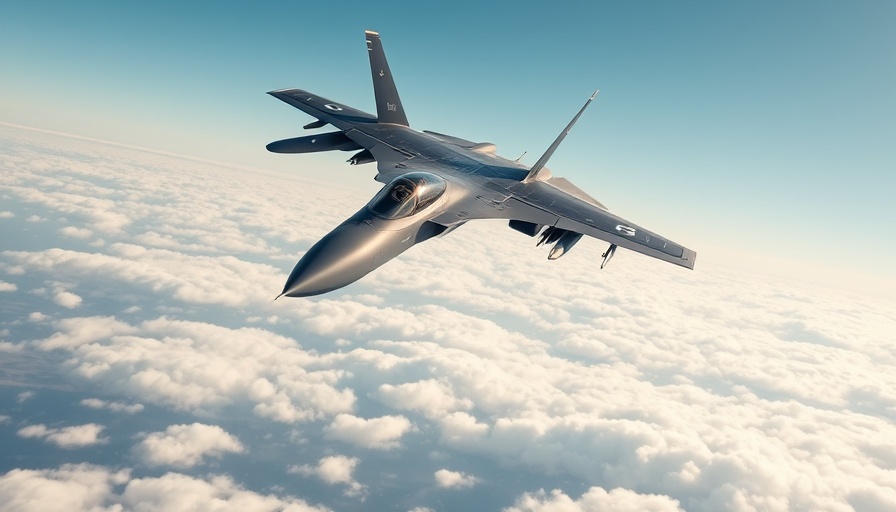
Military jet soaring in clear skies, learn to fly focus.

Dallas-Fort Worth Welcomes Drone Delivery Revolution

In an exciting development for residents of Dallas-Fort Worth, DoorDash has teamed up with Flytrex to launch a pioneering drone delivery service. This innovative initiative represents a significant step forward in how food and retail products can be delivered efficiently. With rapid advancements in drone technology, customers are increasingly curious about its potential impacts on convenience and surrounding industries.

Understanding Drone Delivery: How It Works

Drone delivery operates through a network of flying drones that transport goods directly to customers’ doorsteps. DoorDash, a leader in food delivery, aims to enhance its service offerings through this collaboration with Flytrex, renowned for its expertise in drone logistics. Once an order is placed, the drone is dispatched from a nearby location, completing deliveries within minutes, greatly reducing the wait time customers usually experience.

Benefits of Drone Delivery for Consumers

This new service provides several advantages, particularly for busy individuals and families. With the ability to receive prompt deliveries, residents can expect their favorite meals or groceries within a short time frame, allowing for greater flexibility in their day-to-day activities. Moreover, this service could potentially lessen road congestion, creating a more enjoyable urban environment.

The Future of Drone Technology: Trends to Watch

The launch of drone delivery in Dallas-Fort Worth is just the beginning. As urban centers continue to grow, scalable drone services are likely to gain prominence across various industries. Future predictions suggest that more businesses will adopt drone technology, and as regulations evolve, we may witness a broader acceptance of aerial deliveries and enhanced transportation networks.

Community Reaction and Future Considerations

The response from the local community has been overwhelmingly positive. Residents appreciate the prospect of receiving deliveries with minimal hassle. However, as with any new technology, concerns regarding safety, privacy, and noise have arisen. It will be critical for companies like DoorDash and Flytrex to address these issues proactively, ensuring community trust as drone deliveries become commonplace.

Learning to Fly: Aligning Personal Ambitions with Technological Trends

With the increasing significance of drones in everyday life, now is an opportune moment for individuals intrigued by aviation to explore opportunities in flight training. As drone usage expands, the demand for knowledgeable pilots who can navigate both traditional aircraft and unmanned aerial vehicles will likely grow. Programs and schools focused on flight education are essential, as they help foster a new generation of aviators capable of handling this dynamic field.

In conclusion, the launch of drone delivery services by DoorDash and Flytrex in Dallas-Fort Worth signifies more than just increased convenience. It represents the dawn of a new era in logistics, urban transport, and consumer expectations. For those eager to learn to fly, embracing these trends offers potential avenues for an exhilarating future in aviation.

Flight Training Centers

0 Comments

Write A Comment

*
*
Related Posts All Posts

Why NASA's Artemis II Moon Mission Launch on March 6 Matters

Update NASA Sets Its Eyes on March 6 for a New Era of Lunar ExplorationExcitement is building as NASA prepares for its Artemis II mission targeting March 6, 2026, a significant milestone that marks the first time astronauts will journey to the Moon in over half a century. This historic mission will not only demonstrate NASA's capabilities in deep space exploration but will also lay the groundwork for future missions to Mars.What’s at Stake in Artemis II?Artemis II crew members, including Commander Reid Wiseman and Mission Specialist Christina Koch, are set for a 10-day journey orbiting the Moon, aiming to gather critical data on deep space missions. This mission follows the success of Artemis I, which in 2022 saw an uncrewed Orion spacecraft successfully make its way around the Moon. The upcoming crewed flight will test the performance of NASA’s Space Launch System (SLS) rocket and the Orion spacecraft under real mission conditions.Preparations and Challenges AheadThe NASA team is currently in the process of performing final checks and drone equipment upgrades, including the important 'wet dress rehearsal' completed earlier this month, which successfully filled the SLS rocket with fuel. However, key phases are still pending, such as the flight readiness review, which will assess the mission’s final preparations.Human Stories Behind the MissionThe Artemis II mission also aims to spotlight diversity, making headlines as this will be the first space mission involving both a woman and a Black man in a lunar crew. Crew members are not just astronauts; they are ambassadors of a new generation of explorers inspiring young pilots and future space enthusiasts. Each member's journey emphasizes their personal stories, showcasing what it means to strive for boundaries beyond Earth. Such historical undertones serve to engage a younger audience and stimulate interest in STEM education and learning to fly.The Future is Bright: Pathway to MarsAs NASA lays out its roadmap for lunar exploration, Artemis II stands to play a crucial role. The data and experience gained will be invaluable for Artemis III, set to include a landing on the Moon in 2028, and eventually supporting long-term lunar habitation as a stepping stone towards Mars missions. This approach not only expands our understanding of space but invites public involvement and interest in the future of aeronautics and space travel.Conclusion: Getting Involved in Aviation and BeyondThe Artemis II mission is a monumental feat in human exploration, rewriting a new chapter in the history of space travel. In these thrilling times, aviation enthusiasts and aspiring pilots can find inspiration in such groundbreaking endeavors. If you've ever thought about pursuing a career in aviation or simply want to learn to fly, now is the perfect time to explore those possibilities. Join the excitement as humanity not only reaches for the Moon but also looks further towards Mars and beyond.

Commemorative Air Force Pilot Doug Rozendaal: Inspiring Aviation Dreams

Update Commemorative Air Force Pilot Shares His Adventures The upcoming EAA Aviation Museum Speaker Series features a special guest, Doug Rozendaal, a seasoned pilot of the Commemorative Air Force (CAF). On March 19th at 7 p.m., Rozendaal will regale audiences with tales of flying historic warbirds and vintage aircraft, showcasing his extensive experience and passion for aviation. From Grounded Beginnings to Skyward Dreams Doug Rozendaal's journey into aviation began in the heart of Iowa, where he spent countless hours watching aircraft soar overhead from his perch on a tractor. It wasn’t until a pivotal moment during his freshman year of college that he took the first step towards becoming a pilot. "I remember driving home from finals and felt an urge to stop at the local airport. That one decision changed my life forever," he recalls. Since that day, he has amassed over 10,000 flight hours, piloting nearly 250 types of aircraft. Honoring History Through Flight Rozendaal has become a prominent figure within the CAF, a nonprofit dedicated to preserving the legacy of skilled World War II pilots. His role often places him at the forefront of commemoration events, including notable missions like flying over Arlington National Cemetery in honor of aviation legends such as Jimmy Doolittle. Through the CAF, he also plays a leading role in the Rise Above exhibit that celebrates the history of the Tuskegee Airmen, which he describes as "not just about airplanes, but about storytelling." By sharing these impactful narratives, Rozendaal hopes to inspire today's youth, giving them role models and the drive to pursue their dreams. A Thousand Ways to Inspire the Next Generation Rozendaal emphasizes the importance of guiding young minds, especially in an era where many may feel lost. He reflects on how he inspired Sam 'Razz' Larson, an F-22 demo pilot, during his childhood visits to airshows. "For every known story of inspiration, there are hundreds more that we don't hear – stories of resilience, passion, and ambition forged through flight." His dedication resonates with many who frequent airshows and those interested in aviation, demonstrating the profound impact that pilots like Rozendaal have on enthusiastic youth, some of whom aspire to take to the skies themselves. The Importance of Preserving Our Aviation History Every flight experience Rozendaal shares is framed within a broader historical context. As he points out, we must remember that, "History is something we should learn from, not repeat. The sacrifices of the Greatest Generation must be honored by ensuring that their stories and the lessons they taught us are passed down through generations." This sentiment is particularly poignant, highlighting the significance of gatherings like the EAA Museum Speaker Series, where such critical stories can be told and retold. Attend the Speaker Series for Free The upcoming presentation by Doug Rozendaal is free for members of the EAA and youth attendees, with a nominal fee of $5 for non-members. This affordability encourages young people and families to engage with aviation history, making it accessible to a broader audience. Make Your Mark in Aviation For those intrigued by the stories surrounding aviation, attending Rozendaal's presentation will not only provide insight into the art of flying but also emphasize the community aspect of aviation. These gatherings foster connections, inspire young pilots, and ensure that the legacy of air travel continues to soar. Consider attending and diving into the fascinating world of aviation, where past heroes continue to inspire future generations!

Understanding Autopilot Confusion: Vital Insights Post-Fatal Crash

Update Understanding the Fatal Crash of an Aviation Vlogger The tragic crash of an aviation vlogger has opened discussions about the complex interactions of autopilot systems, human error, and aviation safety, drawing parallels to past aviation disasters. In the wake of the incident, investigators are scrutinizing the role of pilot impairment and miscommunication that led to the fatal outcome. The Role of Autopilot Confusion The fatal accident was reportedly influenced by confusion involving the aircraft's autopilot system. When miscommunications occur in the cockpit, especially during critical phases of flight such as takeoff and landing, the consequences can be dire. It highlights a crucial lesson in aviation: understanding how to effectively communicate about technology in high-pressure situations is vital. In comparison, incidents like that of TransAsia Airways Flight GE235 remind us that even a simple mix-up can lead to catastrophic failures. A Look Back: Human Errors in Aviation Historically, many aviation mishaps have been linked to human error amid automation. A study on the Kegworth accident underscored how misjudged actions can stem from erroneous mental models and outdated schemas that pilots rely on. It seems that autopilot systems, while designed to alleviate workload, can sometimes contribute to pilot complacency and knowledge gaps that lead to misjudgments. How Impairment Plays a Role A key factor in the recent crash was the pilot's impairment. Investigations revealed that alcohol levels exceeded legal limits, spotlighting an urgent discussion regarding fitness for duty among pilots. As with the cases reviewed by experts from incidents across the globe, impairment can blur situational awareness—making it critical for airlines and regulators to enforce stringent checks. Lessons Learned and Future Considerations in Flight Training This tragic event stresses the necessity for improved training systems that address not only technical skill but also human factors. Training programs should include comprehensive modules on recognizing and responding to autopilot confusion. Additionally, ongoing evaluations, similar to the FAA's ongoing improvement initiatives in pilot training, are vital to ensure that pilots can handle unexpected situations effectively. The Path Forward: Aviation Safety Culture and Accountability The aviation industry must place heightened emphasis on fostering a culture of safety where pilots feel empowered to speak up about their readiness or concerns regarding cockpit automation. As we reflect on these incidents, understanding how humans interact with technology is just as important as the technology itself. Lastly, engaging more individuals by providing access to aviation training resources can help to demystify flying, potentially cultivating a generation that is well-informed about aircraft operation and its intricacies. Whether you dream of taking to the skies yourself or simply have a passion for aviation, now is the time to learn to fly and contribute to safer skies.

Terms of Service

Privacy Policy

Core Modal Title

Sorry, no results found

You Might Find These Articles Interesting

T
Please Check Your Email
We Will Be Following Up Shortly
*
*
*