

Chambers First Class Connetions KC
update
Jet Centers USA -
Learn to Fly Schools
Where Jet Setter's Stay and Play
cropper
update
  • HOME
  • Categories
    • Restaurants
    • Jets Charter Private
    • Fitness
    • Flight Training Centers
    • Jet Centers & FBO
    • Aircraft & Automobiles
    • Outdoor Fun
    • Hotels & Resorts
    • Extra Travel News
    • Featured
    • Catering
    • Restaurants Vegan
    • Toys For Boys
    • OJC Airport - Corporate Gold Directory
    • Business Directory Johnson County
    • Airport Sponsers
    • EAA
    • Ultralights
    • FXE Fort Lauderdale Business Directory
    • EAA AirVenture
  • update
  • update
  • update
  • update
  • update
  • update
  • update
November 02.2025
3 Minutes Read

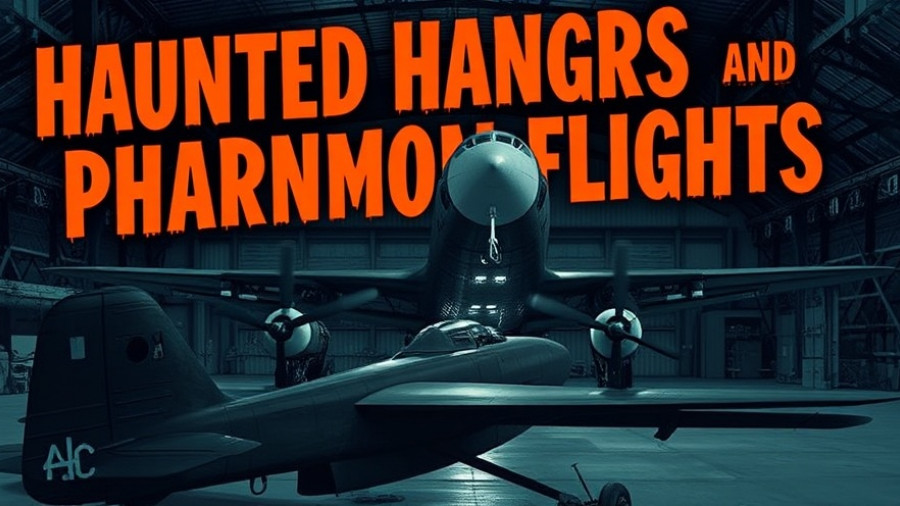
Exploring Aviation's Spookiest Tales: Haunted Hangars and Phantom Flights

Haunted Hangars and Phantom Flights: Aviation’s Spookiest Tales

Aviation's Spooky History: A Connection to the Past

As we approach the season of ghosts and ghouls, an intriguing intersection of history and mystery emerges, particularly within aviation. Many former World War II air bases have become the backdrop for chilling ghost stories, bringing the past alive in strange ways. Unexplained phenomena such as disembodied sounds, lights flickering without a source, and objects moving in empty hangars have been recounted by countless visitors and enthusiasts alike. These narratives hint at a deeper connection to the souls of those who once served or perished in these locations.

Paranormal Encounters at Pearl Harbor Aviation Museum

The Pearl Harbor Aviation Museum in Hawaii stands out as one of the most haunted sites in aviation lore. Visitors often report sensing an unfamiliar energy swirling through the halls. Opened in 2006, its structure still bears the scars of the December 7, 1941, attack that claimed over 2,400 lives. It is said that many spirits linger in the aftermath of such tragedy, perhaps seeking closure. Staff often share eerie tales, including that of a mannequin near a vintage bomber that seems to change positions when no one is watching, drawing intrigue from all who pass through its hallowed spaces.

Echoes of a Childhood Classic

Ghost stories hold an eminent place in American culture, notably through childhood classics like 'Scooby-Doo.' The animated series, which debuted in the 1970s, captivated many with its combination of light-hearted humor and light-hearted scares. The allure of haunted air bases featured in episodes resonated with countless aspiring aviators. At EAA AirVenture 2025, an aircraft painted to resemble the Mystery Machine drew nostalgia and laughter, tying back to cherished memories of mystery-solving antics in the past.

Pilots and Spirits: Personal Encounters

Engaging with the spirits of the past often occurs in the most unexpected of ways. Personal anecdotes from pilots like Meg Godlewski bring chills to life through experiences that blur the line between reality and the supernatural. Meg once shared a hair-raising encounter from a Halloween aviation party, where she offered a ride home to a young woman who mysteriously vanished upon arrival—only to discover from local residents that this woman had been lost to time, a tragic figure now haunting the neighborhood. Such tales remind us that the aviation community, while grounded in the present, is rich with stories of souls forever entwining their spirits with those soaring above.

Why These Stories Matter

These ghostly tales serve not merely as entertainment; they reflect the robust emotional tapestry of aviation history. For many, they provoke contemplation about life, loss, and the indelible connections formed through life’s fleeting moments. As modern pilots continue their journeys through the skies, recognizing the traditions and histories that precede them can only deepen their flying experience. Whether paranormal or simply shared legend, the story of aviation remains one of community—a bond that pulses through the engines and echoes in the skies.

So as Halloween beckons, let’s celebrate these haunted hangars and phantom flights, reminding ourselves of the vibrant stories woven into the fabric of aviation history. For those inspired to take to the skies themselves, starting with a flight training course might be the perfect first step toward your own adventure in aviation.

Flight Training Centers

0 Comments

Write A Comment

*
*
Please complete the captcha to submit your comment.
Related Posts All Posts

How Clintonville's Aviation Community Is Soaring with Passion and Purpose

Update Connecting Through Aviation: A Journey of Passion and CommunityIn the heart of Wisconsin, the sleepy town of Clintonville has transformed its local aviation culture into a vibrant community centered around EAA Chapter 1710. With a steadfast belief that aviation is not just about flying but about forging connections, the town exemplifies the spirit of collaboration and enthusiasm.Clintonville's aviation story began not in the skies, but on the ground. Airport Manager Caz Muske's vision in 2021 was to cultivate an environment that drew people together under the wings of aircraft and dreams. The formation of EAA Chapter 1710 in November 2024 was a significant step towards realizing this vision. Starting with 30 eager members, the chapter's growth has been extraordinary, now boasting 60 members, a testament to the unwavering passion of Clintonville’s residents.The Power of Community EngagementThis journey is not solely about planes or pilots; it's about building a thriving community. The members of EAA Chapter 1710 reflect the diverse interests of Clintonville's residents: fewer than a quarter are pilots, yet all share a commitment to nurturing the next generation of aviators. Here, volunteering isn’t a chore; nearly half of the members actively contribute to chapter activities, whether through mentorship or hands-on assistance with projects like aircraft building.The chapter’s growth can be credited to persistent community engagement. From Rotary meetings to open house events, every handshake and conversation has strengthened the chapter's roots. As Mayor Steve Kettenhoven articulately expressed, the chapter fosters invaluable experiences for young people in aviation, bringing smiles to faces that may one day soar into the skies.Round-the-Clock Support from Local LeadershipThe supportive nature of local leaders and businesses has poised Clintonville as a role model for small communities everywhere. The Clintonville Chamber of Commerce has provided unparalleled backing for the chapter, making connections that have spurred enthusiasm within the community. Tina Schulke, the executive director of the Chamber, encapsulates the vibrant synergy: “With our airport’s rich history as the birthplace of North Central Airlines, I’m excited to grow awareness and see how this chapter showcases all Clintonville has to offer.”This unprecedented support creates a loop of encouragement, where locals rally behind events like the Young Eagles program, designed to ignite aviation passions in youth. These initiatives not only contribute to a rising percentage of young individuals interested in flying but enhance the sense of community and interconnectedness.A Testament to Overcoming ChallengesLike many small towns, Clintonville faced challenges in initiating momentum for the aviation community. Yet, with Councillor Muske leading the way, a strategy to engage residents gradually transformed the narrative. Community members learned the value of shared urban spaces and efforts to boost local aviation culture—a lesson that other small towns can draw inspiration from.The ever-growing numbers testify to a blossoming aviation community. As more families participate in programs, leaders are optimistic that Clintonville’s chapter will continue to foster enthusiasm towards flying, building a legacy that celebrates aviation while advancing community spirit.Building the Future of Aviation: A Collective DreamThe growth of EAA Chapter 1710 is more than numbers; it’s a story about extending possibilities and igniting dreams. As Clintonville continues to rejoice in its aviation journey, the commitment to providing a nurturing environment for young aviators remains paramount. Each chapter meeting and event constructs a foundation where dreams can take flight, and future leaders are inspired.For those interested in being a part of this aviation phenomenon, EAA Chapter 1710 meets every third Wednesday at 7 p.m. Their doors are always open to anyone wishing to learn, volunteer, or simply enjoy the camaraderie fostered by the love of flying. Contact EAAChapter1710@gmail.com or find them on Facebook to get involved. Join in and help cultivate the next generation of aviators!

FAA Staffing Model Change Leaves Air Traffic Controllers in Limbo

Update Understanding the Impacts of FAA's Staffing Model Changes Recent shifts in the Federal Aviation Administration (FAA)'s air traffic controller (ATC) staffing model have raised eyebrows and sparked concerns among industry professionals. This new staffing strategy aims to alleviate the chronic understaffing problem that has plagued air traffic control facilities across the United States. However, it has left many feeling uncertain about the future role of air traffic controllers. According to reports, the FAA has decreased its staffing target from 14,633 to 12,563 controllers, an adjustment driven by soaring overtime costs and a need to optimize efficiency. The Rationale Behind the Change As explained by FAA Administrator Bryan Bedford, the decision to adjust the staffing target is rooted in a desire to provide a more effective and efficient air traffic control system. Instead of simply hiring new staff, the FAA is focusing on improving scheduling tools and boosting the efficiency of existing controllers. This aims to reduce the cumulative overtime burden, which has reportedly reached an alarming 308% increase in recent years. Why Overtime Remains a Hot Topic In 2024, air traffic controllers logged over 2.2 million hours of overtime, costing the FAA over $200 million. This excessive overtime has not only driven up costs but also contributed to workplace fatigue, inviting serious safety concerns in the industry. Many controllers are finding themselves working six-day weeks with limited time for rest and recovery, leading to burnout and increasing the risk of making critical errors. A Shift in Focus: Training and Retention The FAA's new approach emphasizes enhancing the training and retention of existing staff, with initiatives aimed at improving the processes for onboarding new controllers. The FAA is expanding its partnerships with educational institutions, helping create pipelines of qualified candidates through the Air Traffic Collegiate Training Initiative (AT-CTI). As the agency improves its training programs, it hopes this will lead to higher completion rates and a more robust workforce. The Road Ahead for Air Traffic Controllers While the FAA’s decision may alleviate some of the immediate pressures related to staffing levels, there is no quick fix to the systemic issues that led to this situation. The path forward includes not only hiring controllers but also maintaining a commitment to their well-being and effectiveness. Efforts to implement modern technology, such as automated scheduling and advanced simulators, are critical to reducing workloads and improving controller efficiency. Learning More: The Future of Air Traffic Control For anyone interested in understanding how to navigate this complex environment, it's essential to stay informed about developments. Whether you're a prospective air traffic controller or an enthusiast curious about aviation safety, monitoring these staffing changes and their implications will keep you engaged with the ongoing conversation in the aviation industry. So, if you’ve ever dreamed of soaring through the skies, why not learn to fly and become part of this vital sector?

Why Air Traffic Controllers Are Facing New Challenges in Staffing Models

Update The FAA's Shift in Air Traffic Controller Staffing Amid growing concerns over air traffic controller shortages, the Federal Aviation Administration (FAA) has made headlines with a dramatic shift in its staffing model. Citing a need for modernization and efficiency, the FAA announced a reduction in its staffing target from 14,633 controllers to 12,563. This change is part of a broader strategy aimed at addressing the significant overtime burden on existing controllers, which has skyrocketed by over 300% since 2013. Why Are Controllers Feeling the Strain? With the soaring demand for air travel, controllers are often pushed to their limits. Reports have indicated that as of April 2026, approximately 11,000 certified controllers were active across more than 300 facilities, with an additional 4,000 currently in training. Unfortunately, many of these new hires are either not completing their training or are facing longer timelines to become fully certified, leading to a crisis in operational capacity. Modernizing Staffing and Training In response to these challenges, the FAA's new staffing model emphasizes improved efficiency through modern technological solutions. The plan includes deploying data-driven scheduling tools and a commitment to expand collegiate training partnerships to attract new talent. Enhanced training programs will focus on ensuring that controllers not only join the workforce but remain effective and engaged professionals. Decoding the Union’s Concerns Despite the FAA's optimistic vision, the National Air Traffic Controllers Association (NATCA) has voiced serious concerns, claiming that this reduction in staffing goals puts safety at risk. Union leaders argue that the shorter target number fails to account for the increasing air traffic demands, risking burnout alongside operational hazards. They note that the ability for controllers to manage air traffic effectively is intertwined with their working conditions and overall job satisfaction. The Bigger Picture: Where Does This Leave the Industry? As the FAA endeavors to implement more modern models, the aviation community is watching closely. Increasing air travel demands alongside a shrinking workforce could lead to a critical juncture for the industry. Furthermore, with a notable percentage of controllers nearing retirement age, the emphasis on attracting new talent has never been more critical. Young aspiring pilots who wish to learn to fly must be aware of these dynamics as they embark on their flying journeys. Opportunities for Aspiring Pilots For young dreamers looking to enter the aviation world, this scenario offers a unique opportunity. Learning to fly not only fulfills personal ambitions but also prepares individuals for burgeoning roles in air traffic management. Aspiring pilots can tap into the FAA’s ongoing hiring and training initiatives, gaining valuable insights that could position them advantageously as future controllers or pilots. As noted, the FAA aims to achieve hiring targets of 2,200 to 2,400 new controllers in the upcoming fiscal years. For anyone interested in aviation, this is a perfect time to engage with flight training centers nationwide—who knows what doors learning to fly can open?

Terms of Service

Privacy Policy

Core Modal Title

Sorry, no results found

You Might Find These Articles Interesting

T
Please Check Your Email
We Will Be Following Up Shortly
*
*
*