

Add Row
Add Element
Chambers First Class Connetions KC
update
Jet Centers USA -
Learn to Fly Schools
Where Jet Setter's Stay and Play
cropper
update
Add Element
  • HOME
  • Categories
    • Restaurants
    • Jets Charter Private
    • Fitness
    • Flight Training Centers
    • Jet Centers & FBO
    • Aircraft & Automobiles
    • Outdoor Fun
    • Hotels & Resorts
    • Extra Travel News
    • Featured
    • Catering
    • Restaurants Vegan
    • Toys For Boys
    • OJC Airport - Corporate Gold Directory
    • Business Directory Johnson County
    • Airport Sponsers
    • EAA
    • Ultralights
    • FXE Fort Lauderdale Business Directory
    • EAA AirVenture
Add Element
  • update
  • update
  • update
  • update
  • update
  • update
  • update
October 25.2025
3 Minutes Read

Flying Lessons: Insights from a Pilot's 22,000 Hours of Experience

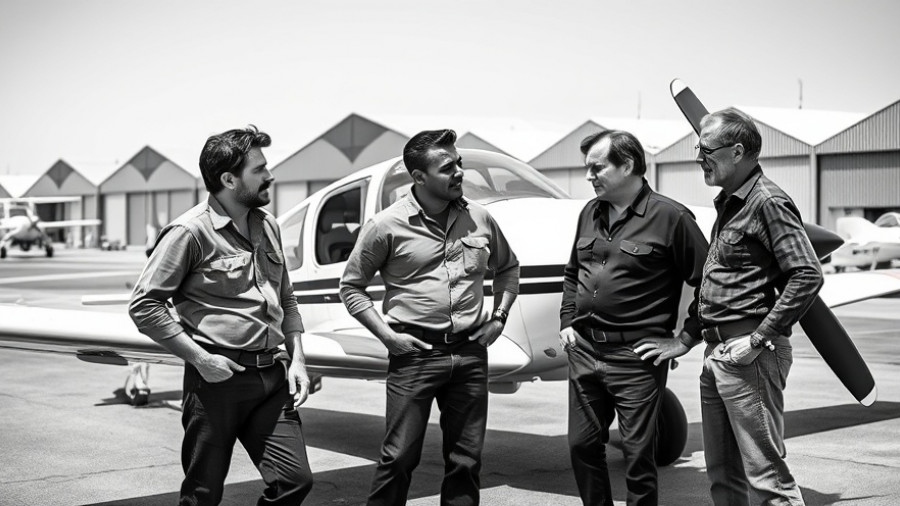
Vintage airplane scene at an airfield with three men.

The Adventures of an Experienced Pilot

Rudy Jakma, a seasoned aviator with an impressive 22,000 flight hours, has shared his thrilling experiences in a guest post that highlights the intersection of skill, luck, and audacity in flying. His tales underline the unpredictable nature of aviation, especially in challenging environments such as flying over conflict zones in Nigeria.

The Fine Line Between Skill and Luck

Aviation is a field where preparation meets unpredictability. Rudy’s recounting of his flying adventures reveals how a pilot’s keen instincts can sometimes play a pivotal role in survival. In one of his accounts, Rudy found himself navigating through deteriorating weather on a solo flight over the African jungle. By employing dead reckoning—a method used for calculating one's current position—he managed to execute a safe landing at a time when most pilots would have opted to remain aloft or seek alternate airports.

Lessons from War Zones: The Importance of Communication

Another significant aspect of Rudy's tale involves the complexities of flying in a war zone. While accompanying journalists to report on the Biafran conflict, Rudy was thrust into a high-stakes scenario where clear communication with the air traffic control was absent. Using radio frequencies in dire circumstances, he successfully landed his aircraft despite significant operational risks. This experience emphasizes not only the importance of thorough preparation and remaining calm under pressure but also the critical role that proper communication plays in aviation safety.

A Reflection on Risk and Responsibility

The aviation community often grapples with discussions around risk management, particularly after tragic events in the field, such as the recent loss of aviator Chuck Coleman during an aerobatic maneuver. Rudy's tales serve as a vital reminder that being a pilot is not just about mastering techniques; it involves understanding one’s limits in pressure situations. With his reflections, Rudy advocates for a balanced perspective towards risk, blending it with an understanding of one’s own capabilities and the intricacies involved in flying.

Building a Foundation of Knowledge: Volunteering for Future Generation

Rudy’s experiences also touch upon the importance of knowledge transfer within the aviation community. He highlights that seasoned pilots have a responsibility to guide new aviators. At Rudy's Aviation Services, located in Rockwall, Texas, there exists an environment dedicated to molding future flyers through comprehensive training facilitated by talented instructors—the very foundation on which solid flying careers are built. Such a supportive learning environment encourages students not just to pursue their licenses but also to embark on enjoyable aviation experiences.

Invitation to Engage with the Flying Community

Rudy’s story is more than a personal narrative; it is an invitation to engage with the broader flying community. Whether you're a seasoned pilot or a student aspiring to break into the field, understanding the rich history and the shared experiences of aviation is crucial. These insights can pave the way for better, safer flying practices. The importance of connecting with experienced pilots is paramount, as it fosters a culture of learning and shared wisdom that can lead to safer skies for all.

Rudy’s reflections provide valuable lessons on the importance of experience, preparation, and awareness in aviation. As aspiring pilots and laypeople alike hear these stories, it fosters a deeper appreciation for not just flying but for the responsibility and thrill that comes with it.

If you're interested in pursuing your aviation dreams, consider reaching out to passionate instructors who can illuminate your path with their knowledge and experiences.

Aircraft & Automobiles

Write A Comment

*
*
Related Posts All Posts

Finding Laughter Amidst Chaos: Embracing Aircraft Humor in Uncertain Times

Update Refreshing Humor Amidst the Chaos of Travel In an age where travel can often feel stressful and overwhelming, finding humor in the journey has never been more essential. Sylvia Wrigley's recent announcement about taking a step back due to a family emergency resonates with many of us, especially those who juggle personal lives with travel demands. Her candidness about relying on air travel to manage her obligations—a scenario familiar to frequent flyers—reminds us of the grace in vulnerability as we navigate our lives. Love, Laughter, and the Skies Wrigley’s intention to share a photo collection highlights the beauty of connections and memories formed through air travel. Travel is more than just movement from point A to B; it’s the experience of an adventure that often comes with unexpected moments of joy. Amidst the pressures of flying, passengers have enjoyed humorous encounters, exemplified in Reader's Digest's collection of funny airplane announcements that can lighten the mood. From quips about safety protocols to the oddities of air travel, these announcements remind us to find laughter even at high altitudes. A Community United by Shared Experiences The aviation community thrives on shared experiences—both good and bad. Wrigley invites readers to share links and stories about aviation content, which fosters enriching conversations. In a recent Reddit thread, individuals shared their own flying adventures, including emergency situations like losing communication mid-flight. These narratives serve to strengthen the bonds among pilots and passengers alike, illustrating that the magic of aviation not only gives us wings but ties us together through shared stories. The Importance of Humor in Aviation Aviation humor is not just a form of entertainment; it serves a vital purpose in helping us cope with anxiety and stress. Pilot anecdotes—as seen in various forums—further emphasize how laughter can act as a balm during turbulence, both literal and metaphorical. For many, the light-hearted jokes shared during intimidating moments help to alleviate fears, creating camaraderie among those on board and transforming a stressful predicament into a more manageable situation. Conclusion: The Takeaway from Travel Tales As Wrigley steps back temporarily but promises to return with fresh perspectives, her message resonates with all travelers: we need to remain connected. Whether through laughter, stories, or shared experiences, the journey is richer when we come together. While Wrigley is taking a break, it’s crucial for those of us who love to travel to find moments of levity and camaraderie. Let’s keep sharing our stories and finding ways to lighten the load. In a world constantly in motion, remembering the beauty of community, even at 30,000 feet, is a reminder that our adventures are better when shared. Whether it’s sending supportive messages to those in need or sharing humorous anecdotes from the skies, we may find that the humor and connection carry us through the challenges of travel.

Surprising Cessna Take-off Near School in Guyana Raises Safety Concerns

Update A Narrow Escape: A Near-Disaster Landing in Guyana On November 6, 2025, a routine flight from Georgetown to Lumid Pau Airport took an alarming turn when an Air Services Limited Cessna 208 Grand Caravan made an unexpected landing. Residents of a small Indigenous community in South Rupununi were left astonished when the aircraft descended onto a freshly graded road beside their new secondary school, mistaking it for the actual runway. The plane, with its Brazilian pilot and several government officials onboard, had embarked on a journey that was complicated by challenging navigation conditions. The pilot's confusion stemmed from using a blend of GPS, oral instructions, and a traditional paper map. As they approached Lumid Pau, the newly graded road appeared deceptively like a runway, causing the pilot to initiate the landing despite being one kilometer away from the actual airport. Fortunately, the landing was executed without any immediate consequences; however, it marked the beginning of what would turn into a significant aviation incident. The Reckless Decision to Take Off Again After the initial safe landing, the pilot made the dubious choice to take off from the dirt road, which has no defined length, obstacle surveys, or surface inspections. Aviation experts warn that while one can land on a surface, it does not guarantee a safe takeoff. Ignoring this critical principle, the pilot accelerated down the road, and eyewitness video captured a harrowing moment as the aircraft narrowly cleared a fence before climbing shakily into the air. Regulatory Response: Grounding and Investigation In the wake of the incident, the Guyana Civil Aviation Authority (GCAA) quickly grounded the aircraft and suspended the pilot pending an investigation. GCAA officials were clear in their stance, labeling the pilot's actions as "reckless and unprofessional." They expressed a commitment to thoroughly examining the circumstances, including the pilot’s experience and flight history, and the status of their navigational aids. This decision aims to uphold the standards of safety within the aviation sector. Community Concerns and Implications For the local community, this incident raises significant concerns regarding both safety and the competencies of pilots operating in the region. As critical infrastructures like schools draw attention from commercial flights, the need for precise operational protocols becomes paramount. The incident serves as a reminder of the potential dangers of aviation in areas with undeveloped airstrips. Future Perspectives: Enhancing Aviation Safety in Guyana Moving forward, this event could foster discussions on enhancing pilot training, improving navigational technology, and developing better residual safety measures for remote landings. Additionally, as remote communities grow, local authorities may need to reevaluate situations where aircraft operations intersect with civilian spaces, ensuring environments for both students and their educational structures remain safe. This incident, while shocking, encapsulates the importance of rigorous aviation oversight to prevent avoidable dangers. Moreover, it serves as a compelling narrative that underscores the ongoing need for vigilance in aviation practices, particularly in remote and developing regions. As the investigation proceeds, the aviation community and local populace await further insights that could prevent such close calls in the future. For relevant stakeholders, now is a time to reengage with aviation safety protocols to ensure that no one has to witness another dangerous landing.

The Bomber 139 Crash: Key Insights on Aviation Safety and Regulations

Update The Crash of Bomber 139: A Tragic Lesson in Aviation Safety On February 6, 2023, during a crucial firefighting mission over Fitzgerald River National Park in Western Australia, Bomber 139, a Boeing 737-300, encountered severe challenges that led to its tragic crash. The flight was hailed for its daring efforts to combat bushfires, but it spiraled into chaos when the aircraft collided with a ridgeline, prompting an urgent investigation into the accident. Understanding the Flight Dynamics One of the core issues that surfaced from analyses of Bomber 139’s fateful flight pertained to the concept of energy management. Flying at low altitude and speed - often referred to as being 'low and slow' - the aircraft found itself without sufficient thrust to climb over rising terrain. This situation resembles a cyclist approaching a hill. If a cyclist has enough speed and pedal power, they glide over inclines easily; however, those who coast into a hill find themselves needing to exert more energy to ascend. Confusion arose for the Bomber 139 crew as they were led to believe they were operating on a consistently descending plane. The Role of Crew Coordination Another pivotal factor contributing to the accident was crew communication and situational awareness. The pilots opted not to join Birddog 123, a plane intended to guide them through the terrain, thus missing critical intelligence about the environment below. As the first officer focused outside to find the target through drifting smoke, visibility was compromised, a situation enhanced by the so-called hidden hill illusion. This phenomenon occurs when vegetation disguises the true contours of the ground, leading pilots to underestimate ascending terrain. Learning from Tragedy: The Need for Regulations Post-accident investigations conducted by the Australian Transport Safety Bureau (ATSB) revealed critical insights that call for stringent regulations. With the crew unable to react in time due to an energy depletion, the report concluded that the incident was a controlled flight into terrain—a classic oversight in aviation. The ATSB has since issued eleven recommendations aimed at preventing future occurrences, highlighting the necessity for ongoing pilot training, improved surveillance of environmental conditions, and a reevaluation of drop height protocols for firefighting aircraft. A Broader Context: The Importance of Aviation Safety Incidents like that of Bomber 139 serve not merely as tales of misfortune but as critical case studies within the aviation community. The aviation industry, when facing such tragedies, must harness these lessons for improvement. Understanding what went wrong and refining operational protocols is essential not only for the crew's safety but also for the broader mission of wildlife protection and disaster management that firefighting aircraft fulfill. Conclusion: Taking Action for Future Safety The incident involving Bomber 139 starkly illustrates the heavy responsibilities shouldered by aerial firefighting crews. As we reflect on this event, it raises awareness of necessary changes within the aircraft operation and safety protocols. To stay informed about the latest developments in aviation safety and firefighting endeavors, it is crucial for everyone in the industry and those who depend on these air missions to advocate for improved practices and regulations.

Terms of Service

Privacy Policy

Core Modal Title

Sorry, no results found

You Might Find These Articles Interesting

T
Please Check Your Email
We Will Be Following Up Shortly
*
*
*