Add Row
Add Element
Chambers First Class Connetions KC
update
Jet Centers USA -
Learn to Fly Schools
Where Jet Setter's Stay and Play
cropper
update
Add Element
  • HOME
  • Categories
    • Restaurants
    • Jets Charter Private
    • Fitness
    • Flight Training Centers
    • Jet Centers & FBO
    • Aircraft & Automobiles
    • Outdoor Fun
    • Hotels & Resorts
    • Extra Travel News
    • Featured
    • Catering
    • Restaurants Vegan
    • Toys For Boys
    • OJC Airport - Corporate Gold Directory
    • Business Directory Johnson County
    • Airport Sponsers
    • EAA
    • Ultralights
    • FXE Fort Lauderdale Business Directory
    • EAA AirVenture
Add Element
  • update
  • update
  • update
  • update
  • update
  • update
  • update
December 20.2024
2 Minutes Read

How Lucid Motors Builds a Luxury Brand in the World of EVs

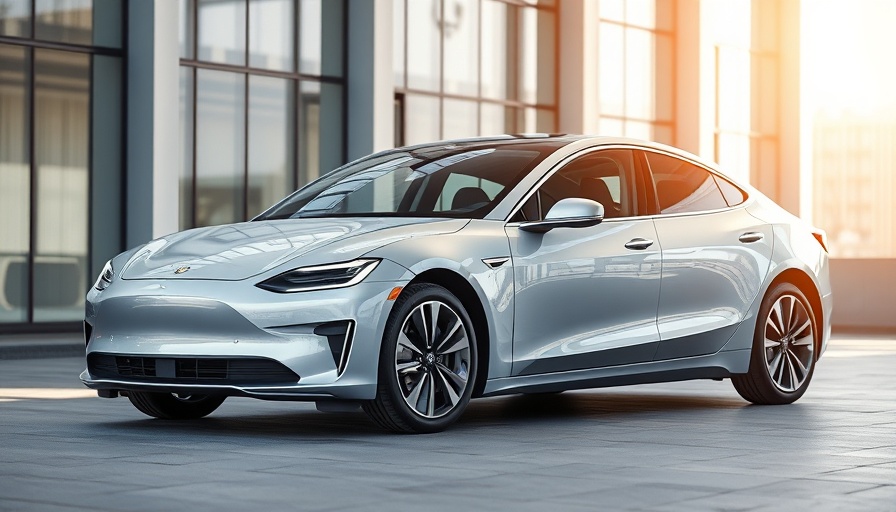
Sleek silver Lucid electric car in modern setting

Breaking Through as a Luxury EV Brand

Lucid Motors is challenging the conventional boundaries of electric vehicles with its unique approach to luxury cars. As Peter Rawlinson, the CEO and CTO, emphasizes, Lucid is not trying to mimic Tesla, but instead carving its own path in the high-end automobile sector. Based in the U.S. and publicly traded, Lucid was founded in 2007 and is renowned for integrating advanced technology and innovative design to enhance both efficiency and sustainability in electric vehicles. However, the brand is still in its early stages of widespread recognition, as proven by their delivery of just over 6,000 vehicles in 2023.

The Importance of Exhibiting at the Geneva Motor Show

Despite a trend of major car manufacturers skipping European shows, Lucid Motors chose to unveil its latest models at the Geneva International Motor Show. Rawlinson views Switzerland as pivotal, highlighting both its market significance and the show's historic legacy. Lucid used the event to launch three new electric models for the European market: the Gravity SUV, Air Sapphire, and Air Pure RWD. This decision reflects Lucid’s strategy to appeal to discerning customers who appreciate craftsmanship and innovation in their automobiles.

Delivering an Unparalleled Driving Experience

Lucid's approach to luxury in the realm of electric vehicles is driven by a promise of exceptional driving pleasure. Their vehicles compete with luxury giants like the Mercedes S-Class in comfort, and the Porsche 911 in agility. The secret lies in their cutting-edge technology, offering the longest range per kWh and the fastest charging system in the industry. The cars are designed to be aerodynamic externally while maximizing interior space, ensuring an enjoyable and roomy ride for both drivers and passengers alike.

Jet Centers & FBO

0 Comments

Write A Comment

*
*
Please complete the captcha to submit your comment.
Related Posts All Posts

Why Independent Brands Like H. Moser & Cie Are Thriving in Luxury Watchmaking

Update Independent Spirits in the Luxury Watch Market The luxury watch industry has been shaken by uncertainty, but a distinct group of independent brands, like H. Moser & Cie, is flourishing amidst the chaos. Under the leadership of Edouard Meylan, the company transitioned from financial turmoil to remarkable growth, boosting production and turnover significantly over the past decade. So, what’s driving this resurgence? The Human Connection: The Soul of Independent Brands Meylan attributes Moser's success to the authenticity inherent in independent brands. He states, “I think the strength of independent brands is that they don’t do much compromise.” This commitment to strong identity and unique vision sets them apart from conglomerate-owned brands constrained by centralized decision-making. By embracing creativity without boundaries, Moser has cultivated a loyal customer base eager for surprise and innovation. A Legacy of Innovation: Creative Risks Pay Off Perhaps the most striking aspect of Moser's strategy is its willingness to take bold creative risks. Moser disrupted traditional watchmaking with provocative campaigns like the Swiss Mad Watch, which used Swiss cheese in its case, challenging the norms of Swiss Made regulations. Such audacity resonates with collectors, establishing an emotional bond and shared adventure with the brand. Building Community Through Boldness The special relationship Moser has developed with its fan base is built on mutual understanding and shared creativity. “What people like about the Moser fan base is that we surprise them over and over again,” Meylan emphasizes. This ongoing dialogue transforms typical brand-consumer interactions into deeper connections, encouraging customers to feel like an integral part of Moser’s journey. The Road Ahead for Independent Watchmakers As independent brands like H. Moser & Cie continue to thrive, they set a potent example for others. Authenticity, creativity, and community engagement are not just trends; they are essential components of success in the evolving luxury landscape. While challenges remain for larger groups, the resilience of independent brands signals a cultural shift towards valuing unique brand narratives and personal connections over mere market share.

Why China’s Luxury Market Prepares for a Careful Comeback by 2026

Update Shifts in China's Luxury Market: Understanding the Recovery As China's luxury market gears up for a cautious rebound in 2026, the dynamics of consumer behavior are changing significantly. Bain & Company's recent report reveals signs of recovery from the harsh declines seen during the pandemic, with a modest contraction of 3% to 5% in 2025, a welcome improvement from a staggering decline of up to 19% in 2024. The rebound indicates a gradually recovering consumer confidence in mainland China, buoyed by a more positive macroeconomic outlook. Revisiting What Luxury Means With younger generations increasingly dominating the luxury consumer base, perceptions of luxury are evolving. Luxury is no longer strictly about brands and heritage—today’s customers seek value, authenticity, and experiences. This shift has prompted brands to rethink their traditional strategies; they are now focusing on offering products that cater to affordability while still appealing to the luxury sensibility. The Impact of the Daigou Trade While domestic consumption shows signs of revival, grey-market channels like daigou sellers continue to exert significant influence. These personal shoppers are favorable to cost-conscious consumers, often providing them with access to luxury goods at competitive prices. The daigou phenomenon has grown, with sales tracked by Re-Hub indicating a 3% increase in 2025, showcasing how these markets often outpace official retail growth. Domestic Growth vs. Outbound Spending Interestingly, while the mainland market is recovering, overseas luxury spending by Chinese consumers plummeted by 13% in 2025. This decline signals changing travel habits and a shift in priorities—from shopping to experience-driven expenditures. As local brands enhance their offerings, consumers are embracing domestic purchases, partially due to narrowing price discrepancies and improved product availability. Future Outlook: A Shifting Landscape Looking ahead, experts predict a fragile but positive trajectory for China’s luxury market in 2026. Although competition from home brands is intensifying and consumers are more selective, the potential for modest growth persists. From expanding flagship stores by major brands to the rise of local players innovatively blending cultural relevance and quality, the landscape of luxury consumption in China is evolving rapidly. As the market recalibrates to meet the needs of a younger, discerning clientele, understanding these shifts will be paramount for brands aiming to thrive in this transformed environment.

The Crumbling of Luxury's Data Silos: How AI is Reshaping the Industry

Update Bridging the Gap: The Future of AI in Luxury At the recent World Economic Forum 2026, the landscape of artificial intelligence (AI) took center stage as conversations transitioned from theoretical discussions to practical implementation. The luxury sector, often perceived as hesitant to modernize, is now at a pivotal moment. The emergence of tools like DLG’s LuxuryIQ Model Context Protocol (MCP) holds the promise of breaking down the barriers created by data silos that have historically hindered strategic intelligence. From Ambition to Activation: The Luxury Sector's AI Journey Despite luxury brands enthusiastically adopting AI technologies for marketing and creative processes, a significant gap remains. While over 60% of luxury executives have integrated generative AI into their marketing strategies, only a fraction harness the potential of AI for consumer insights and data analytics. In a world where two-thirds of these leaders recognize analytics as AI's most valuable opportunity, addressing the disconnect is essential. The challenge lies not in technological capability, but in the fragmented nature of existing data infrastructures. Understanding the Role of Data Fragmentation in Luxury’s AI Landscape A luxury brand typically navigates through 15-30 distinct data sources, each managing separate aspects of consumer behavior. This fragmentation can lead to incomplete customer profiles and missed opportunities for cross-selling. According to research, addressing these data quality and integration issues will be vital for firms looking to enhance their AI initiatives. A staggering 38% of executives cite data fragmentation as the primary barrier to robust AI adoption. The Paradigm Shift: Implementing the Model Context Protocol The introduction of the Model Context Protocol (MCP) symbolizes a critical turning point. Imagine au chat interface where AI systems, such as ChatGPT or Claude, can seamlessly access a unified data repository. By standardizing the connections between AI applications and varied data sources, luxury brands can synthesize real-time insights, enhancing decision-making processes. With MCP, luxury executives can leverage customized queries to gain insights from complex data sets, transforming how they analyze market trends and consumer responses. This level of connectivity fosters a deeper understanding of buying patterns, ultimately reshaping competitive strategies in an AI-driven market. Looking Ahead: The Impact of AI on Luxury's Future The trajectory of AI in the luxury sector offers a glimpse into a future where brands can operate more nimbly, respond to customer sentiment in real time, and innovate at an accelerated pace. As the luxury market embraces this technological revolution, the trend of using AI to derive actionable insights over mere automation will be crucial for sustained growth. In conclusion, the urgent call for luxury brands is clear: it’s time to evolve beyond experimental applications of AI and fully embrace integrated data strategies that foster growth and innovation. Embracing frameworks like the Model Context Protocol will not only break down existing silos but also propel luxury brands to greater heights in an increasingly competitive marketplace.

Terms of Service

Privacy Policy

Core Modal Title

Sorry, no results found

You Might Find These Articles Interesting

T
Please Check Your Email
We Will Be Following Up Shortly
*
*
*