

Add Row
Add Element
Chambers First Class Connetions KC
update
Jet Centers USA -
Learn to Fly Schools
Where Jet Setter's Stay and Play
cropper
update
Add Element
  • HOME
  • Categories
    • Restaurants
    • Jets Charter Private
    • Fitness
    • Flight Training Centers
    • Jet Centers & FBO
    • Aircraft & Automobiles
    • Outdoor Fun
    • Hotels & Resorts
    • Extra Travel News
    • Featured
    • Catering
    • Restaurants Vegan
    • Toys For Boys
    • OJC Airport - Corporate Gold Directory
    • Business Directory Johnson County
    • Airport Sponsers
    • EAA
    • Ultralights
    • FXE Fort Lauderdale Business Directory
    • EAA AirVenture
Add Element
  • update
  • update
  • update
  • update
  • update
  • update
  • update
August 21.2025
2 Minutes Read

How WhoFi Uses Wi-Fi Signals to Identify Individuals: A Privacy Concern?

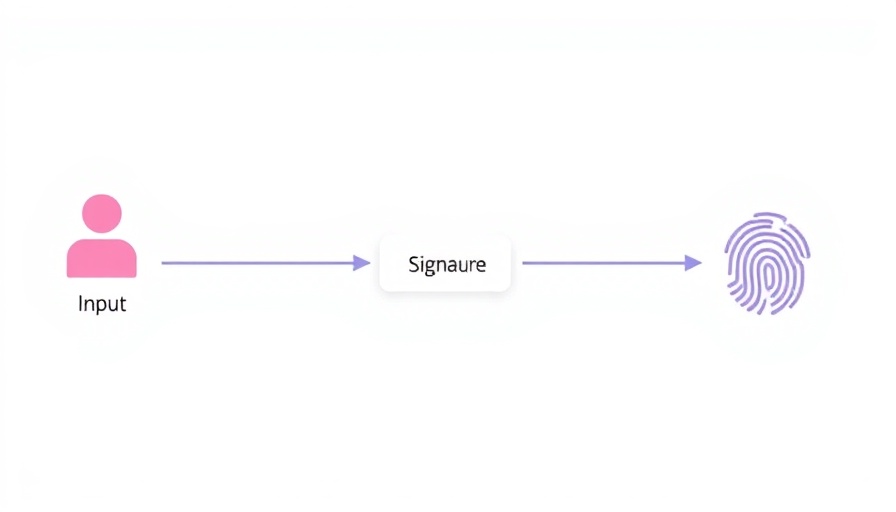
Diagram showing Wi-Fi signals used to identify individuals

Analyzing the Future of Individual Identification

The rapidly advancing world of technology often leaves us in the balance between innovation and our fundamental right to privacy. The newest player in this arena is a system developed by researchers at La Sapienza University in Rome, known as WhoFi. This technology claims to identify individuals uniquely by analyzing their interaction with Wi-Fi signals rather than relying on traditional biometric methods such as facial recognition or fingerprints.

How WhoFi Works

WhoFi taps into Channel State Information (CSI), which measures the alterations in Wi-Fi signals caused by human presence. A deep neural network then interprets these changes, assigning a unique 'fingerprint' to each individual detected. What’s astonishing about WhoFi is that it claims a remarkable 95.5% identification accuracy, even in varying environmental conditions. Importantly, it does this without the need for any visual data or direct contact with individuals.

The Ethical Dilemma of Surveillance

While WhoFi presents innovative possibilities, it raises significant questions about privacy and tracking. The lack of visual identification means people can be monitored without their consent or awareness. This may lead to the unintentional revelation of a person's daily habits and patterns, contributing to a climate of surveillance that many find concerning.

Contemporary Examples of Wireless Surveillance

WhoFi isn’t alone in the realm of Wi-Fi-based tracking technologies. Various systems have emerged that veer into the territory of personal surveillance. For instance, Comcast’s Xfinity service effectively turns smart devices into motion detectors, all while raising eyebrows about household privacy. Additionally, researchers at UC Santa Barbara and Carnegie Mellon have explored methods of using Wi-Fi to visualize objects through walls, highlighting the extensive capabilities of this technology.

The Future of Tracking Technology

Despite its capabilities, WhoFi remains an academic project at present, with no formal plans for rollout. However, the looming prospect of its potential government and commercial use beckons. As surveillance technologies become ever more sophisticated, society must engage in conversations about the implications of these innovations and the importance of prioritizing privacy.

Reflection on Data Privacy

The development of WhoFi and similar technologies serves as a reminder of our need to advocate for digital privacy. As tools for personal identification become more accessible, understanding how they work and their ramifications is crucial for safeguarding our rights. Being aware and vocal about these technologies can help shape their application in ways that benefit society while respecting individual freedoms.

Fitness

0 Comments

Write A Comment

*
*
Please complete the captcha to submit your comment.
Related Posts All Posts

Watch Tottenham vs Monaco Free on Tapmad: Your Guide to Viewing

Update Free Football Action: Tottenham vs Monaco Live Stream Football fans worldwide are in for a treat as they can catch the highly-anticipated Tottenham vs Monaco Champions League clash for free on the streaming platform Tapmad. The match kicks off at 8 PM local time on October 22, 2025, and will be broadcasted live from Stade Louis II, with no registration necessary to access the action. Here’s how you can ensure you don’t miss a moment of the excitement! How to Enjoy the Match from Anywhere To watch this free stream, simply head to Tapmad's website. But, if you’re traveling outside Pakistan, here’s a clever way to stay connected: use a quality VPN like NordVPN. People often overlook this simple solution that can transport you virtually back to your home location! With a NordVPN subscription, you can save significantly and maintain seamless access to your favorite broadcasts. Simple Steps for Using NordVPN Using NordVPN to bypass regional restrictions is a breeze. Here’s how you can set it up in a few easy steps: Install NordVPN or your preferred VPN service. Select Pakistan as your location within the VPN app. Navigate to Tapmad and enjoy the match as if you're right there! This allows you to enjoy the game without interruption, regardless of where you are in the world. This isn’t Just Any Match As Tottenham prepares to take the field against Monaco, both teams are recovering from their recent performances, adding an intriguing layer to this match. Tottenham recently faced a series of injuries, which could shift the dynamics drastically. Key players like Cristian Romero are sidelined, making for an intense battle on the pitch as both teams vie for a much-needed victory in the Champions League. Tapmad’s Streaming Quality What sets Tapmad apart is not just the free access but also its excellent streaming quality. Viewers can expect high-definition broadcasts with minimal lag, so you won’t miss those nail-biting moments as they unfold. From live sports coverage, including the ongoing UEFA matches, to an extensive selection of live TV channels, Tapmad is quickly positioning itself as a must-have for sports aficionados. More Than Just Football Beyond football, Tapmad offers a variety of live streams and shows, ranging from UFC to Bundesliga. With over 80 live TV channels, it’s an entertainment hub that caters to more than just sports enthusiasts. Whether you’re interested in daily news, kids’ programs, or engaging dramas, Tapmad has something for everyone. Join in the Action! Make Your Viewing Plans Now! The upcoming Champions League match between Tottenham and Monaco presents a thrilling opportunity for football fans to enjoy elite-level sports without the cost. Remember, regardless of where you are in the world, with the right tools, you can stay connected to the games you love. Don't let geography limit your view of the beautiful game—make the most of free streaming on Tapmad today! For more updates and to grab exclusive streaming opportunities, stay engaged with our latest news and in-depth coverage across other sports!

Meet ChatGPT Atlas Browser: Your Next AI-Powered Online Companion!

Update Revolutionizing Browsing: Welcome to ChatGPT Atlas In a world where technology continues to shape our online activities, OpenAI’s latest innovation, the ChatGPT Atlas browser, is set to transform the way we interact with the web. This browser melds AI capabilities directly into browsing, creating a more engaging and efficient way to navigate. Instead of merely acting as a passive window to the internet, the Atlas browser encourages active interaction, suggesting a dynamic shift in our digital experiences. What Sets ChatGPT Atlas Apart? Unlike traditional browsers that simply serve as interfaces to access websites, ChatGPT Atlas redefines what a browser can be. It's not just a browser that accompanies a chatbot; instead, it embodies the chatbot's functionality at its core. Users can engage with Atlas to execute tasks seamlessly—even asking it to find cheaper hotels, summarize content, or plan events, all within one interface without toggling between tabs. The Power of Browsing Contextually With its innovative memory and context awareness features, ChatGPT Atlas offers a browsing experience with a personal touch. Users can opt into the memory feature, allowing Atlas to remember their previous interactions, such as websites visited and queries made. This feature aims to provide contextualized assistance, enabling smart follow-ups without the need for repetitive queries. Imagine telling Atlas to retrieve information from your browsing history or ensuring continuity in your projects without having to restate details. Agent Mode: Your New Digital Assistant Perhaps the most groundbreaking feature is the introduction of 'Agent Mode,' which empowers ChatGPT to perform tasks interactively within the browser. This feature allows users to instruct Atlas to execute multi-step processes while keeping them informed. For instance, you could ask Atlas to help organize a dinner party, which could involve searching for recipes, creating a shopping list, and recommending nearby stores—all handled within a single environment. This level of interactivity is a significant leap from what contemporary browsers offer. Why This Matters to Users As we dive deeper into a digital world, the tools we use must adapt to our evolving needs. ChatGPT Atlas exemplifies this shift towards a more integrated approach in digital assistance. With its predictive capabilities and proactive engagement, users can navigate online spaces more intuitively, making their digital lives easier and more productive. This innovation particularly resonates in a culture increasingly reliant on digital solutions to accomplish everyday tasks. Final Thoughts on the Future of Browsing The launch of ChatGPT Atlas signifies more than just a new browser; it hints at the future of digital interaction. As the technology embraces context and action, we may soon find ourselves using web browsers less as mere tools and more as intelligent assistants in our daily digital navigation. With competition heating up between established giants like Chrome and this fresh alternative, the future promises exciting advancements in online user experience.

Discover Why Sennheiser HDB 630 Headphones Set a New Standard for Wireless Audio

Update The Next Level of Wireless Listening: Sennheiser HDB 630 For audiophiles and casual listeners alike, Sennheiser has introduced a groundbreaking product that promises to elevate your listening experience: the Sennheiser HDB 630. These wireless headphones are not just about eliminating cords; they are about delivering high-resolution audio with incredible detail and clarity. With the added functionality of a USB-C dongle, this set of headphones comes equipped for a immersive audio experience, easily making it a standout option in a competitive market. What Makes the HDB 630 Unique? The Sennheiser HDB 630 takes the audio quality of traditional wired headphones and translates it into a wireless format. Featuring support for aptX, aptX HD, and aptX Adaptive codecs, the headphones can provide up to 24-bit / 96 kHz audio quality with the included BTD 700 dongle. This is a game-changer for Apple device users who have been left in the dust when it comes to high-fi audio streaming. With this dongle, Sennheiser has effectively enabled high-fidelity audio to a broader audience, meeting the demand for richer sound on portable devices. Sound Quality That Stands Out During testing, it was evident that Sennheiser’s prowess in audio quality remains intact. The HDB 630 achieves a beautifully balanced sound profile. Listeners can expect punchy yet controlled bass, detailed midrange, and well-managed treble. For those who like to personalize their audio experience, the SmartControlPlus app offers customizable parametric EQ settings and crossfeed functions. This level of customization is rarely seen in rivals, making the HDB 630 a compelling choice for those who love to tweak their sound. Comfort and Usability Considerations While Sennheiser made significant strides in sound quality, some users may find areas for improvement in comfort and control. The touch controls, while innovative, leave some users wanting more intuitive functionality. Additionally, the headphones aren’t the lightest in their category, leading to potential discomfort during long listening sessions. However, their impressive 60-hour battery life—even with active noise cancellation on—offers a substantial benefit that many competing models lack. Comparative Analysis: HDB 630 vs Rivals In comparison with renowned competitors like the Sony WH-1000XM6 and Bowers & Wilkins Px7 S3, the HDB 630 positions itself very well. Although it may lack in terms of advanced noise-cancellation features, the expansive sound quality is often cited as superior. Additionally, the inclusion of the BTD 700 dongle gives the Sennheiser headphones a distinct advantage, particularly for iPhone users who seek a richer audio experience. Conclusion: A Worthy Investment The Sennheiser HDB 630 marks a significant leap in the evolution of wireless headphones. With immersive, detailed sound quality, a wealth of customization options, and an exceptional battery life, these headphones cater to both hardcore audiophiles and those looking for everyday functionality. While there are minor drawbacks in terms of design and controls, these don’t significantly detract from the overall package. If you want an audiophile-grade sound in a wireless format, the HDB 630 is undoubtedly worth considering.

Terms of Service

Privacy Policy

Core Modal Title

Sorry, no results found

You Might Find These Articles Interesting

T
Please Check Your Email
We Will Be Following Up Shortly
*
*
*