

Add Row
Add Element
Chambers First Class Connetions KC
update
Jet Centers USA -
Learn to Fly Schools
Where Jet Setter's Stay and Play
cropper
update
Add Element
  • HOME
  • Categories
    • Restaurants
    • Jets Charter Private
    • Fitness
    • Flight Training Centers
    • Jet Centers & FBO
    • Aircraft & Automobiles
    • Outdoor Fun
    • Hotels & Resorts
    • Extra Travel News
    • Featured
    • Catering
    • Restaurants Vegan
    • Toys For Boys
    • OJC Airport - Corporate Gold Directory
    • Business Directory Johnson County
    • Airport Sponsers
    • EAA
    • Ultralights
    • FXE Fort Lauderdale Business Directory
    • EAA AirVenture
Add Element
  • update
  • update
  • update
  • update
  • update
  • update
  • update
October 19.2025
3 Minutes Read

Indians Gain Affordable Access to Iceland’s Permanent Residency: Under ₹12,000!

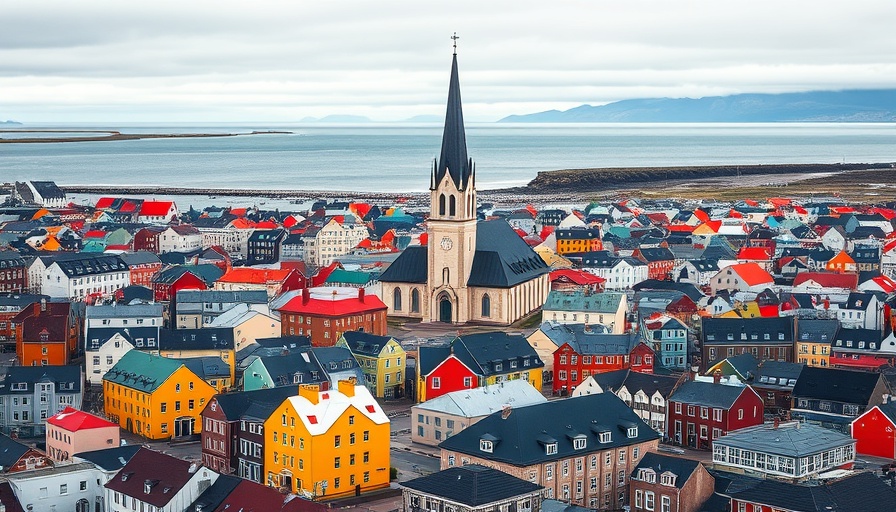
Reykjavik cityscape highlighting Iceland permanent residency 2025.

This Is Your Chance: Iceland Opens Doors to Indian Residents

Iceland, often celebrated for its picturesque landscapes, thriving culture, and high quality of life, is now offering an enticing opportunity for Indian citizens to apply for Permanent Residency (PR) for a mere ₹11,500 (approximately $145). This initiative marks a significant shift in immigration policy aimed at making Iceland accessible for those looking to establish a long-term residence in this tranquil Nordic nation.

Understanding the Eligibility Requirements

The qualifications to become a permanent resident in Iceland are straightforward but essential to understand. Applicants from India must have lived in Iceland continuously for a minimum of four years under a valid residence permit and should not exceed 90 days of absence from the country per year. Spouses of Icelandic citizens have a reduced qualification period of three years.

Financial stability is also a key factor, with a monthly income requirement set at about ₹1.8 lakh for individuals and ₹2.9 lakh for couples. Additionally, proficiency in the Icelandic language is necessary, either through completion of 150 hours of language courses or passing a recognized proficiency test.

Why Iceland's PR Program Stands Out

The appeal of Iceland's PR program lies not only in its affordability but also in the benefits that come with it. Aside from offering access to world-class healthcare and public services, PR holders enjoy the right to work and study in Iceland without the hassle of renewing short-term visas. This framework fosters a secure and stable environment, which significantly enhances the overall living experience.

As an added bonus, permanent residents can travel visa-free to 29 other Schengen countries, making this an attractive option for those looking to explore Europe without the burden of complicated visa applications.

Breaking Down Costs: Iceland vs. Competition

When comparing the application cost for Iceland's Permanent Residency with other countries, the stark difference in affordability becomes apparent. In contrast to destinations like Portugal, where the cost may soar to $120,000 through property investment, or Australia’s $3,000 application fee, Iceland’s PR opportunity at under $150 is remarkably appealing.

Step-by-Step Application Process

For aspiring applicants anxious to traverse the application process, here’s a simplified guide:

  1. Confirm Eligibility: Ensure you meet all residency, income, and language requirements.
  2. Document Preparation: Gather necessary documents, including proof of residency, income, language certificate, and a clean criminal record.
  3. Online Submission: Apply through the official Icelandic Directorate of Immigration portal and pay the application fee.
  4. Application Review: Keep your residence permit valid and wait for your application's processing and feedback.

Applicants can easily monitor their progress online and receive digital confirmation upon approval.

Local Implications and Global Opportunities

This program’s launch signifies a pivotal moment for many Indians seeking stability and opportunity abroad. Be it for education, work, or a secure lifestyle enriched by nature and community, Iceland’s PR initiative aligns perfectly with global migration trends focusing on quality of life.

With these developments, prospective applicants are encouraged to consider beginning their journey towards a new life in Iceland. Amidst global uncertainties, this stable and welcoming nation presents an ideal opportunity for a fresh start.

For anyone contemplating this life-changing move, acting swiftly to secure your place in Iceland’s welcoming community could be a definitive step toward your future. Don't miss out on this golden opportunity!

Jets Charter Private

0 Comments

Write A Comment

*
*
Please complete the captcha to submit your comment.
Related Posts All Posts

Unlock Up to 50% Tax Refund: How to Qualify for the Saver’s Credit

Update Understanding the IRS's Retreat from Tax Liability: A Game-Changer for Many Tax season often brings a sense of dread, especially for those who find themselves navigating an ocean of forms, deductions, and credits. However, an under-the-radar opportunity offered by the IRS may ease that burden significantly, allowing eligible taxpayers to potentially reduce their tax obligations by up to 50%. Known as the Retirement Savings Contributions Credit, or Saver’s Credit, this little-known benefit could transform tax season from a stressful period into a more manageable one. What is the Saver’s Credit? The Saver’s Credit is specifically designed to reward low and middle-income workers who invest in their retirement. This credit, unlike a standard deduction, reduces the total tax owed rather than just the taxable income. According to Jennifer Harris, a senior policy analyst, the credit offers an “instant return” on retirement contributions—up to 50% on the first $2,000 contributed to qualified retirement accounts. For those qualifying: single taxpayers could see a $1,000 reduction, while married couples filing jointly might reap the benefits of a $2,000 credit. Who Can Claim This Credit? While the potential benefits are substantial, it’s crucial to understand that not everyone qualifies for the Saver’s Credit. To be eligible, taxpayers must meet certain criteria, including age restrictions and income limits. Specifically for the 2025 tax year, the IRS outlines eligibility as follows: Age: Must be 18 or older. Student Status: Cannot be a full-time student. Dependency: Cannot be claimed as a dependent on another person’s tax return. Retirement Contribution: Must contribute to a qualified retirement plan. Income Limits: For instance, to qualify, married couples must have an adjusted gross income (AGI) below $79,000; head of households must earn less than $59,250, and singles must stay under $39,500. Strategies for Claiming the Saver’s Credit Given the complexities surrounding tax credits, many eligible individuals overlook this benefit, with IRS data showing that less than one in four qualifying taxpayers actually claims it. For many, this lapse results from confusion about the claiming process, leading to missed opportunities for tax savings. To avoid this, it’s advisable to prepare ahead. Ensure all retirement contributions are documented, and check if you meet the eligibility requirements. The IRS provides helpful tools, such as interactive taxpayer interviews, to determine if you qualify for the credit. Connecting Tax Savings to Future Goals The Saver’s Credit is more than just a financial incentive; it plays an integral role in fostering a culture of saving for retirement. As Dr. Martin Lopez from Georgetown University explains, this credit targets everyday workers rather than high-income earners, further promoting responsible saving habits across a broader demographic. The importance of retirement savings cannot be overstated, especially as traditional pensions become less common. This credit not only helps reduce tax liabilities but also encourages financial literacy about retirement planning. Key Considerations While the Saver’s Credit is a fantastic opportunity for eligible taxpayers, it's essential to remember that it is non-refundable. Therefore, if your tax liability is already at zero, claiming this credit will not generate a refund. This highlights the importance of financial planning throughout the year; simply contributing to retirement accounts may not suffice if tax issues are not adequately managed. Consider Your Tax Position Taxpayers should seize the chance to take advantage of this credit. Consult with a tax professional to ensure all aspects of filing are managed appropriately, particularly around retirement contributions. As tax season approaches, gaining clarity about this credit can mean the difference between owing money and receiving substantial savings.

The Hidden Meaning of the 'Stranger Things' Season 1 Poster: A Sign of the Finale?

Update Did Fans Really Spot the Hidden Clue to 'Stranger Things' End? As the final chapter of Stranger Things unfolds, fans are buzzing about an Easter egg that might indicate the Duffer Brothers' grand plan for the series was conceived long before its conclusion. A seemingly innocuous poster of The Dark Crystal spotted in Mike Wheeler’s bedroom during Season 1 has resurfaced, igniting theories about its significance to the show's finale. The Untold Connection to the Abyss In one of the early episodes from Stranger Things Season 1, viewers noticed that Mike's bedroom features a poster advertising The Dark Crystal, an eerie fantasy film. According to a growing number of fans, this poster foreshadows the ultimate dark setting known as The Abyss, and perhaps even hints at the Mind Flayer’s terrifying final form. Following the release of Season 5 on New Year's Eve, fans scrutinized the similarities between visuals from both the poster and scenes from the finale involving The Abyss. Comparisons flooded social media, suggesting that the Duffer Brothers, known for their deliberate and layered storytelling, had planted this clue years back. Mixed Reactions and Fan Theories The fan theories gained traction across Reddit and Twitter, with many insisting that the Duffer Brothers had indeed mapped out their narrative all along. “NO WAY IT WAS ALL CONNECTED FROM THE START,” tweeted one enthusiastic viewer. Others alluded to how the poster wasn't just homage to 80s pop culture, but a well-placed breadcrumb that cleverly ties Mike’s imaginative world with the horror that ultimately confronts them. Nostalgia as a Narrative Tool Film critic Erin LaFontaine noted that such cultural references are not mere decorations. They serve as emotional shorthand creating connections that resonate deeper within viewers. LaFontaine's insights underline the Duffer Brothers' maxims of utilizing nostalgia as part of their storytelling fabric. By embedding visual clues within the characters’ environments, the show becomes a layered experience revealing deeper, longer stories. The Legacy of 'Stranger Things' As the curtain falls on Stranger Things, this nuanced discovery adds to the show's legacy—indicating it was built on a complex web of foreshadowing and imaginative storytelling. With Mike’s world of childhood fantasies influencing the terrifying realities faced by the characters, it emphasizes the intricate connection between imagination and fear. This connection enriches the series, allowing viewers to appreciate an ending that is not merely closure, but also an elaboration of threads weaved throughout the series. As fans reflect on their watch through the years, it’s more than mere entertainment; it’s a rich tapestry of narratives that challenges and captures the essence of childhood wonder mixed with a touch of horror. A Poetic Conclusion In the end, Stranger Things invites its viewers to ponder whether the clues initially laid out bore significant weight on how the series concluded. As one thoughtful fan encapsulated, "We didn’t just grow up watching Stranger Things. We’ve been living inside its Easter eggs all along.” This narrative intertwining showcases the brilliance of the Duffer Brothers’ craftsmanship throughout the show's impressive run.

Minimum Wage Increase in 2026: Which States Will Boost Pay for Workers?

Update 2026 Minimum Wage Increases: A Historic Shift for Workers As we step into 2026, nearly 20 states across the U.S. will increase their minimum wage, a significant move that will affect the lives of over 8.3 million workers. These wage hikes, primarily driven by rising inflation and scheduled legislative changes, will contribute roughly $5.1 billion in additional earnings annually. This moment marks a turning point as, for the first time, a majority of workers will reside in states where the minimum wage is $15 or higher. State-Level Changes: Who’s Raising Wages? The states making the biggest strides include Washington, which will boast the highest minimum wage at $17.13 per hour, and New York, where workers in New York City, Long Island, and Westchester will earn no less than $17.00 per hour. Other notable increases include: California: $16.50, with local cities setting even higher minimums. Colorado: Increasing to $14.90 based on a 3.3% inflation adjustment. New Jersey: Rising to $15.50 from previous wages. Virginia: Scheduled to increase to $13.50, with plans for $15 by 2027. This wide array of wage increases reflects an ongoing trend that has seen states independently responding to the economic pressures faced by workers, largely because the federal minimum wage has remained stagnant at $7.25 for over a decade. Local Governments Leading the Charge Beyond state-level increases, many cities are taking it upon themselves to push wages even higher, becoming trailblazers for wage progress. Cities like San Francisco, Tukwila, and Seattle are set to implement record-setting local minimum wages. For instance: West Hollywood: $20.25/hour Seattle: $20.50/hour San Francisco: $19.75/hour As Ben Zipperer, a senior economist, points out, local lawmakers are more responsive to the pressing issues of housing costs and inflation than the federal government. The Broader Implications of Wage Increases The implications of these changes extend beyond immediate financial benefits for workers. They signal a cultural and political shift toward valuing labor more adequately in connection with the cost of living. Historical data suggests that such shifts can lead to increased consumer spending, economic growth, and reduced poverty levels. As noted by ABC News, this trend reflects a growing recognition of the need for more equitable pay in the face of rising living costs across the nation. What’s Next for Minimum Wage Legislation? While these changes are encouraging, the landscape remains uneven, with many southern states lagging behind, failing to raise their minimum wage to levels that keep pace with inflation. The necessity for federal action is clearer than ever: If Congress does not act to adjust the national minimum wage, many workers will continue to face financial struggles despite these state-level improvements. Commentary from various economists emphasizes that without federal intervention, the long-term results of state reforms may be insufficient to tackle the larger economic inequality issues in the U.S. Take Action and Stay Informed The wave of minimum wage increases is a pertinent reminder of the ongoing discussions around worker rights and economic equity. It's essential for workers, advocates, and legislators to stay engaged with these developments to ensure that all regions of the country continue to make strides toward fair pay. Keep an eye on updates and rallies advocating for fair wages and worker rights in your community to be a part of this vital movement.

Terms of Service

Privacy Policy

Core Modal Title

Sorry, no results found

You Might Find These Articles Interesting

T
Please Check Your Email
We Will Be Following Up Shortly
*
*
*