Add Row
Add Element
Chambers First Class Connetions KC
update
Jet Centers USA -
Learn to Fly Schools
Where Jet Setter's Stay and Play
cropper
update
Add Element
  • HOME
  • Categories
    • Restaurants
    • Jets Charter Private
    • Fitness
    • Flight Training Centers
    • Jet Centers & FBO
    • Aircraft & Automobiles
    • Outdoor Fun
    • Hotels & Resorts
    • Extra Travel News
    • Featured
    • Catering
    • Restaurants Vegan
    • Toys For Boys
    • OJC Airport - Corporate Gold Directory
    • Business Directory Johnson County
    • Airport Sponsers
    • EAA
    • Ultralights
    • FXE Fort Lauderdale Business Directory
    • EAA AirVenture
Add Element
  • update
  • update
  • update
  • update
  • update
  • update
  • update
March 14.2025
2 Minutes Read

OTB Group's 3.1% Sales Drop in 2024: What It Means for Luxury Brands

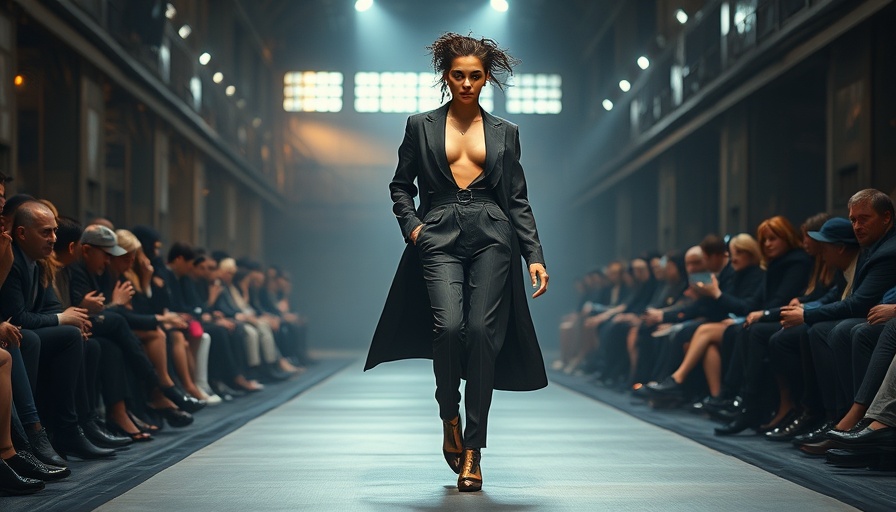
Avant-garde fashion model on runway amid OTB sales drop.

Challenging Times for Luxury Brands

OTB Group, known for its iconic labels such as Diesel and Maison Margiela, has reported a notable decline in sales for the year ending December 31, 2024. With a drop of 3.1 percent, net sales fell to €1.7 billion. This downturn, while significant, reflects a broader trend within the luxury fashion sector, which has been navigating its first major slowdown since the aftermath of the Great Recession. OTB Group's founder, Renzo Rosso, expressed satisfaction with the company’s resilience amid these challenges.

Distribution and Brand Performance

Despite the overall decline, brands like Diesel and Maison Margiela showcased growth, achieving increases of 3.2 percent and 4.6 percent, respectively. This growth is particularly notable for Diesel, which has successfully revitalized its brand image under the creative direction of Glenn Martens since 2020. This contrast illustrates the variable performance among luxury brands, where some navigated the market dynamics more effectively than others like Jil Sander and Marni, which faced reductions in sales.

Strategic Focus on Market Expansion

OTB's strategy centered around bolstering its direct-to-consumer (DTC) channel, now responsible for 57 percent of total sales. In 2024, the group opened 61 new stores while simultaneously closing 608 existing ones, a move aimed at optimizing brand engagement and consumer experience in prominent markets. The DTC channel saw a 7.4 percent growth, reflecting a shift in consumer purchasing behavior as they increasingly favor direct interactions with brands.

Geographic Insights: A Tale of Resilience

Geographically, OTB experienced varied performance. While China’s market continued to show signs of weakness, both Japan and the US demonstrated impressive growth. Sales surged by 16.3 percent in Japan and 13.3 percent in the US, with Japan becoming the cornerstone of OTB's business strategy, comprising 26 percent of its global sales. This geographical resilience highlights the potential for luxury brands to thrive in robust markets, even amidst broader economic challenges.

Future Outlook: Expansion Plans Ahead

Looking ahead, OTB is not retreating but rather embracing the challenges. The company has made significant investments in growth initiatives, including a landmark agreement with Chalhoub Group to expand its footprint in the Middle East. This partnership aims to launch 15 new stores in five years, enhancing local e-commerce capabilities and marketing strategies. Additionally, the group is venturing into Mexico with plans for approximately 50 store openings over the next five years, a bold move to capture new consumer bases.

Conclusion: A Complex Future

As the luxury market grapples with complexities, OTB Group's approach provides insightful lessons in adaptability and strategic planning. With a focus on brand strength and consumer connection, it appears determined to weather the storm while aiming for sustained growth. This restructuring phase might ultimately position OTB favorably for a strong rebound in 2025 and beyond.

Outdoor Fun

0 Comments

Write A Comment

*
*
Please complete the captcha to submit your comment.
Related Posts All Posts

Navigating the Beauty Landscape: How to Succeed as a British Beauty Entrepreneur

Update The Rise of Beauty Startups in the UK: A New Era of Entrepreneurship Starting a beauty brand has never been easier, but the challenges of scaling in an overly crowded market are daunting. The Breakout Beauty UK initiative, spearheaded by Growth Studio, is making strides to alleviate these barriers for the next generation of beauty entrepreneurs. This innovative incubation program is designed to empower early-stage beauty brands, providing access to essential resources such as investment guidance, mentorship, and retail partnerships. Understanding the Landscape: Key Challenges for Aspiring Beauty Entrepreneurs Despite the thriving nature of the beauty industry, many founders encounter significant obstacles on their journey to success. According to Paul Finch of Growth Studio, three primary pain points stand out: securing equity investment, entering retail spaces, and harnessing the power of platforms like TikTok. The inaugural cohort of Breakout Beauty UK, which includes brands like Miriam’s Collection and Contour Cube, is set to tackle these challenges head-on by engaging in targeted training and support. Importance of Diversity in Beauty Entrepreneurship One of the hallmark features of Breakout Beauty’s cohort is its diversity. The program witnessed approximately 75% of applicants identifying as female and nearly half as people of color. This diversity enriches the beauty landscape but also introduces unique challenges. Many founders report feelings of imposter syndrome and insecurity when facing a predominantly male investment community. Providing a nurturing environment where female entrepreneurs can learn and grow is crucial for their success. Maximizing TikTok's Unique Ecosystem for Growth TikTok has emerged as an exceptional platform for beauty startups. It fosters authenticity and community engagement, which are key ingredients for success. Unlike traditional e-commerce platforms that rely heavily on polished advertisements, TikTok encourages real connections between brands and consumers. Successful brands, such as Made by Mitchell and Mallows Beauty, have leveraged TikTok Shop’s features like Live Shopping to create engaging content that resonates with their audiences and converts views into sales. Mentorship: Essential Ingredients for Success The support of experienced mentors can make a substantial difference for new entrepreneurs. Within the Breakout Beauty program, mentorship sessions led by successful figures like Trinny Woodall provide invaluable insights into industry best practices. This mentorship addresses not only strategic planning but also the emotional resilience needed to navigate the complexities of building a business. Driving Innovation through Community As founders embark on their entrepreneurial journeys, the ability to foster community connections is essential. Encouraging feedback, sharing experiences, and collaborating within the beauty space can bolster confidence and facilitate growth. This peer network, as highlighted by Woodall, is instrumental for personal and professional development. Call to Action: Join the Beauty Revolution If you’re passionate about beauty and entrepreneurship, consider exploring opportunities with Breakout Beauty UK or another similar initiative. Engaging in these programs can not only hone your skills but also connect you with like-minded individuals seeking to innovate in the industry.

Fashion's Hollywood Pursuits: How Luxury Brands Are Shaping Cinema

Update Luxury Brands Spotlighted in Hollywood This Sunday, Vogue is making its debut in Hollywood for the highly anticipated Vogue World event, dedicated to the intersection of fashion and film. With a mission to raise funds for the Entertainment Community Fund — focusing on costume professionals affected by the California wildfires — the event highlights the increasing integration of luxury brands within the entertainment landscape. It’s a moment where glamour meets altruism, making waves in both industries. Fashion Meets Film: The Recent Trend As filmmakers strive to create immersive experiences, collaborations with luxury brands have become a hot topic in Hollywood. Recent initiatives reflect how powerful these partnerships can be, allowing brands to invest in film projects while expanding their reach. French luxury powerhouse Kering, for example, invested over $6 million in a production fund aimed at supporting independent filmmakers, emphasizing its commitment to the arts. The Power of Collaboration Luxury brands like Gucci and Prada have not only focused on high fashion but also influenced pop culture with their cinematic campaigns. This added visibility is a significant boon, especially as consumers increasingly seek brands that resonate with their ideals. This Year especially, we see a surge in notable collaborations that push fashion narratives in films and vice versa. By blending styles and storytelling, these partnerships appeal to a wider audience. Consumer Engagement Through Film Brands are realizing that storytelling is an impactful strategy to engage consumers. This trend is why we are witnessing exclusive collections tie-ins with film launches, such as the exciting know-how and appeal of the Louis Vuitton and Takashi Murakami collaboration. These partnerships also allow brands to claim new spaces within popular culture, which can deepen consumer loyalty and create lasting bonds. The Future of High Fashion in Cinema The marriage of luxury fashion and Hollywood isn't merely a passing trend; it’s a glimpse into the future. As we gear up for Vogue World: Hollywood, it’s evident that the interplay between fashion and film will continue to flourish. Expect to see more co-branded initiatives emerging that merge the art of fashion with storytelling. By supporting both industries and recognizing the value they bring to each other, these lux brands will continue to innovate and orchestrate captivating narratives audiences want to engage with. The evolution of fashion’s role in cinema might just be beginning, but it promises to deliver excitement and intrigue in the years to come.

Kering's Q3 Sales Decline: Insights on Future Trends and Strategies

Update Kering's Sales Performance: A Mixed Bag Kering, the luxury goods conglomerate known for iconic brands like Gucci and Saint Laurent, has reported a 5% decline in sales for the third quarter of 2025. This falls short of the market's expectations but marks an improvement over earlier periods in the year. The company’s revenue for Q3 reached €3.42 billion, which is a slight betterment compared to the steep 8.8% anticipated collapse. While the results reflect a recovery from the first half of the year, the drop in sales continues to pose challenges for the company as it navigates a fluctuating luxury market. The Gucci Dilemma: Adaptation in a Tough Market Gucci, Kering’s flagship brand, suffered a substantial revenue dip of 14%, amounting to €1.34 billion. However, CEO Luca de Meo is optimistic, stating that the quarter showed significant sequential improvement—down from a staggering 25% decline earlier in 2025. This upswing is attributed to stronger sales in North America and Western Europe, fueled by new product launches, particularly in leather goods. The Role of Regional Performance in Luxury Sales Dissecting the geographical performance, Kering reported a 3% sales increase in North America, contrasting a downturn of 7% in Western Europe and a 10% decline in Asia Pacific. Notably, Japan experienced the most severe sales reductions with a 16% decrease. As analysts had anticipated modest recovery across luxury earnings, this variances across global markets highlight how regional trends heavily influence luxury brands, as well as customer preferences. Growth Opportunities Amidst Challenges The results from Kering are essential within the broader luxury market context, where competitors like LVMH and Hermès are also reporting varied results. LVMH’s fashion and leather division saw a modest 2% decrease in Q3, while Hermès bounced back with nearly 10% growth. These contrasting outcomes suggest that even within the luxury sector, market adaptability remains crucial. Embracing Change: Strategic Moves Ahead To revitalize its performance, Kering has recently announced a strategic partnership with L’Oréal, intended to enhance its beauty segment, which COO Jean-Marc Duplaix termed a "win-win." This alliance is projected to bolster both brands and reflects Kering's proactive approach to mitigating losses. Moreover, discussions have surfaced regarding the postponement of the Valentino deal, underscoring the importance of strategic withdrawals in navigating prolonged downturns. Conclusion: What Lies Ahead for Kering? The third quarter delivers mixed messages for Kering, pairing optimism with cautions of market volatility. Their adaptive strategies and regional strengths present potential paths for recovery, inviting fashion enthusiasts and investors alike to watch closely. As other luxury brands like Prada and Moncler prepare to report their earnings, the overarching question remains: Can Kering sustain this momentum into the fourth quarter and beyond?

Terms of Service

Privacy Policy

Core Modal Title

Sorry, no results found

You Might Find These Articles Interesting

T
Please Check Your Email
We Will Be Following Up Shortly
*
*
*