
Add Row
Add Element
Chambers First Class Connetions KC
update
Jet Centers USA -
Learn to Fly Schools
Where Jet Setter's Stay and Play
cropper
update
Add Element
  • HOME
  • Categories
    • Restaurants
    • Jets Charter Private
    • Fitness
    • Flight Training Centers
    • Jet Centers & FBO
    • Aircraft & Automobiles
    • Outdoor Fun
    • Hotels & Resorts
    • Extra Travel News
    • Featured
    • Catering
    • Restaurants Vegan
    • Toys For Boys
    • OJC Airport - Corporate Gold Directory
    • Business Directory Johnson County
    • Airport Sponsers
    • EAA
    • Ultralights
    • FXE Fort Lauderdale Business Directory
    • EAA AirVenture
Add Element
  • update
  • update
  • update
  • update
  • update
  • update
  • update
July 20.2025
3 Minutes Read

Unlock Gen Z Loyalty: Insights from Pinterest’s Cannes Lions Discussion

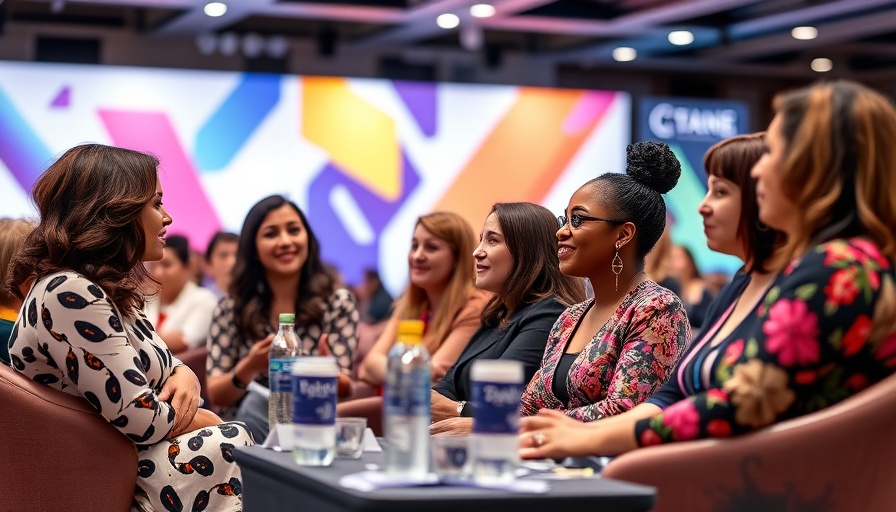
Engaging panel on how to keep Gen Z loyal at Pinterest Cannes Lions 2025.

Understanding Gen Z: More Than Meets the Eye

The quest for establishing brand loyalty among Generation Z remains one of the most intriguing challenges for businesses today. Contrary to popular belief, Gen Z is not merely swayed by flashy marketing tactics or social media influencers. Instead, they are deeply informed consumers with a nuanced understanding of financial management. According to insights shared at the recent Pinterest Manifestival during the Cannes Lions, the discussions highlighted that this generation's shopping behavior is shaped more by aspiration and stability than by consumer fads.

The Aspirational Nature of Gen Z

Sara Pollack, the global head of consumer marketing at Pinterest, offered evocative examples of how Gen Z approaches their financial desires. Rather than impulsive shopping, they engage in thoughtful planning—it’s not uncommon for someone from this group to design their dream wedding outfit even before they’re in a relationship. Pollack's insights underscore the importance of aspirational marketing that encourages future planning and personal vision, indicating a deeper emotional connection to potential purchases.

Financial Literacy Redefined

Leanne Fremar from JP Morgan Chase brought an enlightening perspective to the table, debunking the myth that Gen Z is less financially literate than previous generations. The data shows that they tend to be cautious, preferring solutions over credit cards when it comes to spending. They are significantly risk-averse, showing a preference for saving rather than running up debts. This preference has led to the rise in popularity of user-friendly payment options like pay-in-three services, which align with their impulse to make informed yet flexible financial decisions.

The Digital Landscape: The New Normal

Year after year, technology transforms the consumer landscape, and this generation is no exception. Growing up with smartphones, Gen Z have integrated the digital realm into their daily lives. From online banking to instant payment services like Venmo, the convenience of technology shapes their spending habits. Engaging with brands on digital platforms—whether through immersive shopping experiences or social media interaction—is essential in capturing their attention. Brands need to adapt their online presence to resonate with this generation’s preferences to foster loyalty effectively.

Crafting a Meaningful Connection

For brands that hope to connect with Gen Z, it’s essential to adopt a human-centered approach. This generation is drawn to authenticity and values brands that advocate for social causes. Brands must engage in storytelling that resonates with their values and inspires a sense of community. By sharing relatable narratives that showcase the human impact behind products or initiatives, brands can lay the groundwork for nurturing lasting loyalty among young consumers.

Building for the Future: Marketing Strategies That Work

As marketers analysis continues to unpack the preferences of Gen Z, there are actionable insights on how brands can adapt their strategies effectively. Developing campaigns that promote these consumers’ aspirations while remaining authentic is the key to long-term loyalty. Moreover, leveraging data analytics to predict shopping patterns and refining digital interactions will position brands favorably in this competitive space.

In summary, as brands navigate the evolving habits of Generation Z, understanding their aspirations, financial behaviors, and attachment to technology will be critical. The key takeaway from the Pinterest Manifestival is that fostering an emotional connection through experiential marketing and genuine storytelling can pave the way for brands to build loyalty among this influential generation.

Outdoor Fun

0 Comments

Write A Comment

*
*
Related Posts All Posts

Fashion's Hollywood Pursuits: How Luxury Brands Are Shaping Cinema

Update Luxury Brands Spotlighted in Hollywood This Sunday, Vogue is making its debut in Hollywood for the highly anticipated Vogue World event, dedicated to the intersection of fashion and film. With a mission to raise funds for the Entertainment Community Fund — focusing on costume professionals affected by the California wildfires — the event highlights the increasing integration of luxury brands within the entertainment landscape. It’s a moment where glamour meets altruism, making waves in both industries. Fashion Meets Film: The Recent Trend As filmmakers strive to create immersive experiences, collaborations with luxury brands have become a hot topic in Hollywood. Recent initiatives reflect how powerful these partnerships can be, allowing brands to invest in film projects while expanding their reach. French luxury powerhouse Kering, for example, invested over $6 million in a production fund aimed at supporting independent filmmakers, emphasizing its commitment to the arts. The Power of Collaboration Luxury brands like Gucci and Prada have not only focused on high fashion but also influenced pop culture with their cinematic campaigns. This added visibility is a significant boon, especially as consumers increasingly seek brands that resonate with their ideals. This Year especially, we see a surge in notable collaborations that push fashion narratives in films and vice versa. By blending styles and storytelling, these partnerships appeal to a wider audience. Consumer Engagement Through Film Brands are realizing that storytelling is an impactful strategy to engage consumers. This trend is why we are witnessing exclusive collections tie-ins with film launches, such as the exciting know-how and appeal of the Louis Vuitton and Takashi Murakami collaboration. These partnerships also allow brands to claim new spaces within popular culture, which can deepen consumer loyalty and create lasting bonds. The Future of High Fashion in Cinema The marriage of luxury fashion and Hollywood isn't merely a passing trend; it’s a glimpse into the future. As we gear up for Vogue World: Hollywood, it’s evident that the interplay between fashion and film will continue to flourish. Expect to see more co-branded initiatives emerging that merge the art of fashion with storytelling. By supporting both industries and recognizing the value they bring to each other, these lux brands will continue to innovate and orchestrate captivating narratives audiences want to engage with. The evolution of fashion’s role in cinema might just be beginning, but it promises to deliver excitement and intrigue in the years to come.

Kering's Q3 Sales Decline: Insights on Future Trends and Strategies

Update Kering's Sales Performance: A Mixed Bag Kering, the luxury goods conglomerate known for iconic brands like Gucci and Saint Laurent, has reported a 5% decline in sales for the third quarter of 2025. This falls short of the market's expectations but marks an improvement over earlier periods in the year. The company’s revenue for Q3 reached €3.42 billion, which is a slight betterment compared to the steep 8.8% anticipated collapse. While the results reflect a recovery from the first half of the year, the drop in sales continues to pose challenges for the company as it navigates a fluctuating luxury market. The Gucci Dilemma: Adaptation in a Tough Market Gucci, Kering’s flagship brand, suffered a substantial revenue dip of 14%, amounting to €1.34 billion. However, CEO Luca de Meo is optimistic, stating that the quarter showed significant sequential improvement—down from a staggering 25% decline earlier in 2025. This upswing is attributed to stronger sales in North America and Western Europe, fueled by new product launches, particularly in leather goods. The Role of Regional Performance in Luxury Sales Dissecting the geographical performance, Kering reported a 3% sales increase in North America, contrasting a downturn of 7% in Western Europe and a 10% decline in Asia Pacific. Notably, Japan experienced the most severe sales reductions with a 16% decrease. As analysts had anticipated modest recovery across luxury earnings, this variances across global markets highlight how regional trends heavily influence luxury brands, as well as customer preferences. Growth Opportunities Amidst Challenges The results from Kering are essential within the broader luxury market context, where competitors like LVMH and Hermès are also reporting varied results. LVMH’s fashion and leather division saw a modest 2% decrease in Q3, while Hermès bounced back with nearly 10% growth. These contrasting outcomes suggest that even within the luxury sector, market adaptability remains crucial. Embracing Change: Strategic Moves Ahead To revitalize its performance, Kering has recently announced a strategic partnership with L’Oréal, intended to enhance its beauty segment, which COO Jean-Marc Duplaix termed a "win-win." This alliance is projected to bolster both brands and reflects Kering's proactive approach to mitigating losses. Moreover, discussions have surfaced regarding the postponement of the Valentino deal, underscoring the importance of strategic withdrawals in navigating prolonged downturns. Conclusion: What Lies Ahead for Kering? The third quarter delivers mixed messages for Kering, pairing optimism with cautions of market volatility. Their adaptive strategies and regional strengths present potential paths for recovery, inviting fashion enthusiasts and investors alike to watch closely. As other luxury brands like Prada and Moncler prepare to report their earnings, the overarching question remains: Can Kering sustain this momentum into the fourth quarter and beyond?

How L’Oréal's Beauty Market Growth and Kering Deal Signal a Bright Future

Update L’Oréal Reports Healthy Growth Amid Strategic Changes L’Oréal recently shared a promising third-quarter report, revealing a 4.2% rise in sales, reaching €10.33 billion. This impressive growth comes on the heels of their significant acquisition of Kering Beauté, which signals a transformative period for the beauty giant. As all arms of the business show remarkable resilience, CEO Nicolas Hieronimus highlighted a continued recovery in their largest markets, the U.S. and China. Global Markets Show Recovery In his discussion with analysts, Hieronimus emphasized the broad-based recovery observed across different regions. Sales in North Asia climbed by 4.7%, and Europe displayed robust growth at 4.1%, while the South Asia Pacific region soared with a noteworthy 12.2% increase. Interestingly, despite leading market dynamics, Latin America still faced challenges, but overall, the upward trends in major markets present a hopeful outlook for L’Oréal. Implications of the Kering Acquisition The acquisition of Kering Beauté includes prominent brands such as Creed, Balenciaga, and an anticipated licensing agreement with Gucci. Hieronimus described the potential of these brands, noting Creed's position in the luxurious niche fragrance market. "Creed is a beautiful brand, and it is among the top three in niche fragrances, which is the fastest-growing segment of our beauty offerings," he stated. This strategic move not only consolidates L’Oréal's leading position in luxury beauty but also opens doors for future growth opportunities. The Impact of Consumer Confidence and E-commerce Growth As the beauty industry continues to rebound from pandemic-related hurdles, L’Oréal is outpacing its competitors. The CEO expressed cautious optimism regarding increasing consumer confidence in China, although he warned that some macroeconomic challenges still loom. Importantly, e-commerce solutions have become a vital aspect of their growth strategy. With digital sales soaring at a rate of 12%, L’Oréal is doubling down on this sector to engage new consumers and expand their market reach. Looking Ahead: Future Acquisitions? Following the Kering acquisition, speculation arises over L’Oréal’s next big move, particularly regarding the Armani brand. Although Hieronimus refrained from detailing potential plans, he highlighted that the current Kering deal wouldn’t impede their prospects with Armani, keeping options open for future acquisitions. This adaptability continues to position L’Oréal as a significant player in beauty, indicating that they might soon be at the forefront of another transformative deal. Conclusion As L’Oréal continues to navigate through post-pandemic challenges and strategize for future growth, its recent performance and acquisitions have reasserted its position as a leader in the beauty market. With a focus on luxury and e-commerce, both consumers and stakeholders can look forward to exciting developments ahead.

Terms of Service

Privacy Policy

Core Modal Title

Sorry, no results found

You Might Find These Articles Interesting

T
Please Check Your Email
We Will Be Following Up Shortly
*
*
*