
Add Row
Add Element
Chambers First Class Connetions KC
update
Jet Centers USA -
Learn to Fly Schools
Where Jet Setter's Stay and Play
cropper
update
Add Element
  • HOME
  • Categories
    • Restaurants
    • Jets Charter Private
    • Fitness
    • Flight Training Centers
    • Jet Centers & FBO
    • Aircraft & Automobiles
    • Outdoor Fun
    • Hotels & Resorts
    • Extra Travel News
    • Featured
    • Catering
    • Restaurants Vegan
    • Toys For Boys
    • OJC Airport - Corporate Gold Directory
    • Business Directory Johnson County
    • Airport Sponsers
    • EAA
    • Ultralights
    • FXE Fort Lauderdale Business Directory
    • EAA AirVenture
Add Element
  • update
  • update
  • update
  • update
  • update
  • update
  • update
February 15.2025
2 Minutes Read

Unlock Ultimate Travel Luxury with the Top 30 Must-Have Products

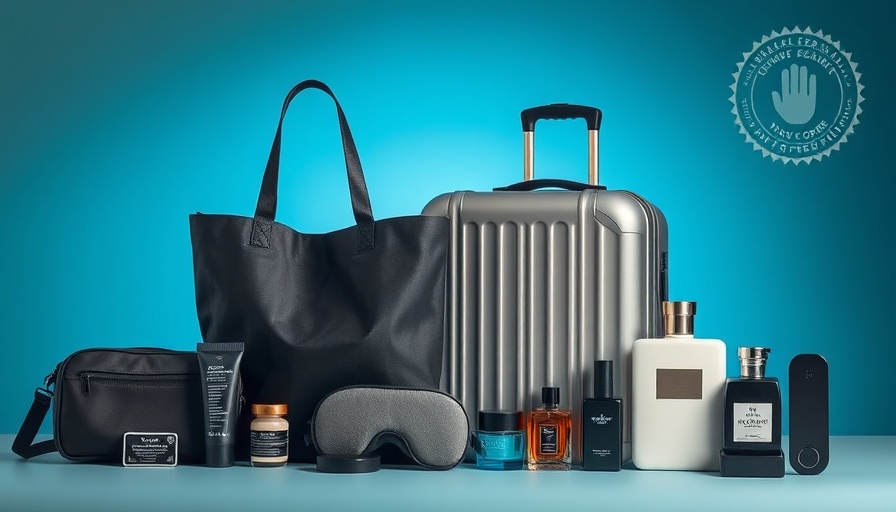
Assorted luxury travel products for 2025 awards

Elevating Your Travel Experience: The Ultimate Luxury Picks

In the world of travel, luxury is an experience defined by comfort and convenience. As we embark on adventures, whether they be long-haul journeys across continents or quick weekend escapes, choosing the right products can transform our travels into a pleasurable affair. The Robb Report has played the perfect guide, enlisting the wisdom of 22 Travel Masters to curate a list of the 30 best travel products that are essential for the modern luxury traveler.

Essential Gear for an Effortless Journey

Every traveler knows that the right gear is crucial, especially when jetting off on an adventure. From high-tech gadgets that seamlessly integrate with our lives to stylish yet practical luggage, the picks from these Travel Masters do more than just serve a purpose; they enhance the journey. Imagine soaring 36,000 feet high, enveloped in comfort provided by thoughtfully selected gear that boosts both enjoyment and efficiency.

Beauty on the Go: Staying Radiant While Traveling

Long flights can wreak havoc on our skin, but with the right health and beauty products, feeling refreshed is achievable even in the air. With self-care being a travel essential, items like hydrating skincare and SPF protection are imperative. One standout recommendation was the Coola Sunscreen—an absolute must for maintaining that sun-kissed glow while jet-setting.

The Luxurious Touch: Unique Travel Must-Haves

Luxury doesn't just stop at practicality; there are many unique items that elevate our travel experiences. From sumptuous cashmere throws to chic travel organizers, spending a bit of extra thought on what to bring can significantly impact the joy derived from travel. Additionally, the list doesn’t shy from including items that may seem extravagant but undeniably add to the delight of your voyage. Is there anything wrong with wanting the best when you travel?

Giving Back: Travel Gear with a Purpose

This year's list also encourages a noble practice: traveling with purpose. Some suggestions include donating your baggage allowance for a cause—a trend that’s gaining traction among socially conscious travelers. As we immerse ourselves in luxury, it’s also an opportunity to give back, helping those in need while making our journeys more meaningful.

What Sets the Trend for 2025?

Looking ahead, as the luxury travel market continues to flourish, there’s no doubt that personalized, thoughtful products will rise in popularity. Trends indicate a shift towards sustainability, comfort, and above all, a sense of responsibility among travelers. Expect to see eco-friendly and ethically produced products gaining traction among the elite circles of travel.

As we embrace the newest trends in luxury travel, consider how these products might elevate your own journey. The right gear can indeed redefine adventure and travel as we know it, transforming our experiences from ordinary to extraordinary.

Jet Centers & FBO

0 Comments

Write A Comment

*
*
Related Posts All Posts

Why China’s Luxury Market Prepares for a Careful Comeback by 2026

Update Shifts in China's Luxury Market: Understanding the Recovery As China's luxury market gears up for a cautious rebound in 2026, the dynamics of consumer behavior are changing significantly. Bain & Company's recent report reveals signs of recovery from the harsh declines seen during the pandemic, with a modest contraction of 3% to 5% in 2025, a welcome improvement from a staggering decline of up to 19% in 2024. The rebound indicates a gradually recovering consumer confidence in mainland China, buoyed by a more positive macroeconomic outlook. Revisiting What Luxury Means With younger generations increasingly dominating the luxury consumer base, perceptions of luxury are evolving. Luxury is no longer strictly about brands and heritage—today’s customers seek value, authenticity, and experiences. This shift has prompted brands to rethink their traditional strategies; they are now focusing on offering products that cater to affordability while still appealing to the luxury sensibility. The Impact of the Daigou Trade While domestic consumption shows signs of revival, grey-market channels like daigou sellers continue to exert significant influence. These personal shoppers are favorable to cost-conscious consumers, often providing them with access to luxury goods at competitive prices. The daigou phenomenon has grown, with sales tracked by Re-Hub indicating a 3% increase in 2025, showcasing how these markets often outpace official retail growth. Domestic Growth vs. Outbound Spending Interestingly, while the mainland market is recovering, overseas luxury spending by Chinese consumers plummeted by 13% in 2025. This decline signals changing travel habits and a shift in priorities—from shopping to experience-driven expenditures. As local brands enhance their offerings, consumers are embracing domestic purchases, partially due to narrowing price discrepancies and improved product availability. Future Outlook: A Shifting Landscape Looking ahead, experts predict a fragile but positive trajectory for China’s luxury market in 2026. Although competition from home brands is intensifying and consumers are more selective, the potential for modest growth persists. From expanding flagship stores by major brands to the rise of local players innovatively blending cultural relevance and quality, the landscape of luxury consumption in China is evolving rapidly. As the market recalibrates to meet the needs of a younger, discerning clientele, understanding these shifts will be paramount for brands aiming to thrive in this transformed environment.

The Crumbling of Luxury's Data Silos: How AI is Reshaping the Industry

Update Bridging the Gap: The Future of AI in Luxury At the recent World Economic Forum 2026, the landscape of artificial intelligence (AI) took center stage as conversations transitioned from theoretical discussions to practical implementation. The luxury sector, often perceived as hesitant to modernize, is now at a pivotal moment. The emergence of tools like DLG’s LuxuryIQ Model Context Protocol (MCP) holds the promise of breaking down the barriers created by data silos that have historically hindered strategic intelligence. From Ambition to Activation: The Luxury Sector's AI Journey Despite luxury brands enthusiastically adopting AI technologies for marketing and creative processes, a significant gap remains. While over 60% of luxury executives have integrated generative AI into their marketing strategies, only a fraction harness the potential of AI for consumer insights and data analytics. In a world where two-thirds of these leaders recognize analytics as AI's most valuable opportunity, addressing the disconnect is essential. The challenge lies not in technological capability, but in the fragmented nature of existing data infrastructures. Understanding the Role of Data Fragmentation in Luxury’s AI Landscape A luxury brand typically navigates through 15-30 distinct data sources, each managing separate aspects of consumer behavior. This fragmentation can lead to incomplete customer profiles and missed opportunities for cross-selling. According to research, addressing these data quality and integration issues will be vital for firms looking to enhance their AI initiatives. A staggering 38% of executives cite data fragmentation as the primary barrier to robust AI adoption. The Paradigm Shift: Implementing the Model Context Protocol The introduction of the Model Context Protocol (MCP) symbolizes a critical turning point. Imagine au chat interface where AI systems, such as ChatGPT or Claude, can seamlessly access a unified data repository. By standardizing the connections between AI applications and varied data sources, luxury brands can synthesize real-time insights, enhancing decision-making processes. With MCP, luxury executives can leverage customized queries to gain insights from complex data sets, transforming how they analyze market trends and consumer responses. This level of connectivity fosters a deeper understanding of buying patterns, ultimately reshaping competitive strategies in an AI-driven market. Looking Ahead: The Impact of AI on Luxury's Future The trajectory of AI in the luxury sector offers a glimpse into a future where brands can operate more nimbly, respond to customer sentiment in real time, and innovate at an accelerated pace. As the luxury market embraces this technological revolution, the trend of using AI to derive actionable insights over mere automation will be crucial for sustained growth. In conclusion, the urgent call for luxury brands is clear: it’s time to evolve beyond experimental applications of AI and fully embrace integrated data strategies that foster growth and innovation. Embracing frameworks like the Model Context Protocol will not only break down existing silos but also propel luxury brands to greater heights in an increasingly competitive marketplace.

Exploring the Handbag Market Divide: Why Premium Is Winning in China’s Luxury Scene

Update The Handbag Market: A New Wave in China The luxury handbag market in China is undergoing a significant transformation, marked by a notable polarization in consumer preferences. While high-end handbags maintain a robust appeal, aspirational brands are struggling to regain their footing. The demand for premium brands is surging, largely fueled by a shift in consumer values and economic factors influencing purchasing decisions. Understanding Value in Today’s Market As the dynamics of luxury consumption shift, unfamiliar terrain lays bare two distinct consumer paths. Many consumers, facing economic uncertainty, gravitate towards premium products that offer greater perceived value without steep price tags. This trend is highlighted by their increased awareness of the intrinsic value of luxury products, leading many to prioritize brands recognized for their craftsmanship and association with exclusivity. On the other hand, the allure of absolute luxury remains steadfast among affluent customers. Brands such as Hermès and Gucci are adapting to changes with strategic repositioning, focusing on brand storytelling and personalized services that resonate with this exclusive clientele. Challenges: Overseas Spending and Resale Markets One major hurdle for luxury brands is the increasing trend of overseas spending. Although recent statistics show that 44% of Chinese luxury consumption occurs abroad, brands must counteract this leakage by enhancing local experiences and embracing e-commerce solutions. Moreover, the booming grey-market segment complicates the scenario, as customers opt for more accessible options due to the lower prices of second-hand luxury goods. The Future of Premium Handbags An optimistic outlook for premium brands suggests they will thrive, especially those capable of tapping into the growing demand for authentic storytelling and emotional connection with consumers. Furthermore, as the Chinese market continues to evolve, it remains crucial for brands to innovate and adapt, balancing quality with sustainability to retain a competitive edge. This growing divide in the market not only reveals new consumer habits but serves as a significant indicator of broader socio-economic trends, challenging luxury houses to rethink their strategies for engagement. By recognizing the importance of perceived value, brand identity, and consumer education, stakeholders in the luxury handbag sector can navigate this intricate landscape and foster brand loyalty, ensuring their position in an evolving marketplace.

Terms of Service

Privacy Policy

Core Modal Title

Sorry, no results found

You Might Find These Articles Interesting

T
Please Check Your Email
We Will Be Following Up Shortly
*
*
*