
Add Row
Add Element
Chambers First Class Connetions KC
update
Jet Centers USA -
Learn to Fly Schools
Where Jet Setter's Stay and Play
cropper
update
Add Element
  • HOME
  • Categories
    • Restaurants
    • Jets Charter Private
    • Fitness
    • Flight Training Centers
    • Jet Centers & FBO
    • Aircraft & Automobiles
    • Outdoor Fun
    • Hotels & Resorts
    • Extra Travel News
    • Featured
    • Catering
    • Restaurants Vegan
    • Toys For Boys
    • OJC Airport - Corporate Gold Directory
    • Business Directory Johnson County
    • Airport Sponsers
    • EAA
    • Ultralights
    • FXE Fort Lauderdale Business Directory
    • EAA AirVenture
Add Element
  • update
  • update
  • update
  • update
  • update
  • update
  • update
March 04.2025
3 Minutes Read

Unveil the Popular Aviation Items of February 2025: What Will You Learn to Fly With?

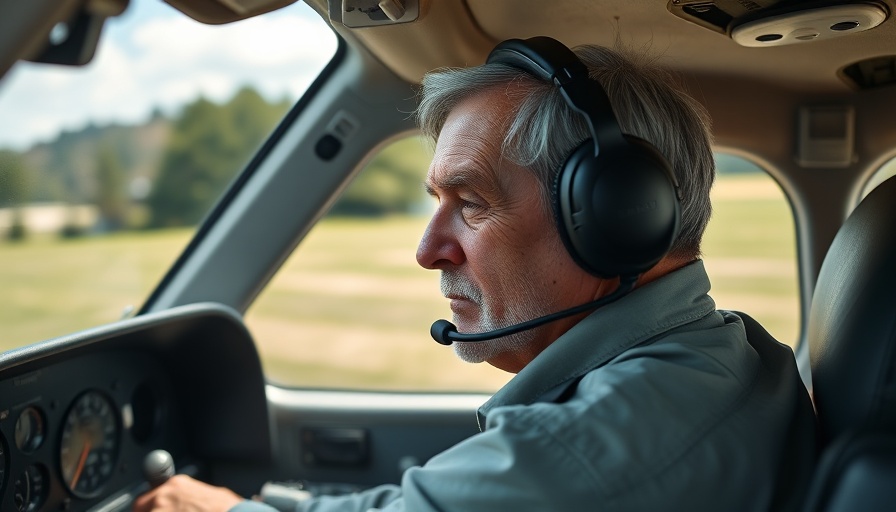
Older male pilot flying an aircraft with popular aviation items, February 2025.

Discover the Top Aviation Gear: February 2025 Edition

As the weather starts to warm up, aviation enthusiasts are buzzing with excitement to elevate their flying experience. If you're in the market for new gear, look no further. Here's a look at the top-selling aviation items from February 2025 that readers at FLYING magazine couldn’t resist adding to their carts!

Lightspeed Zulu 3 Aviation Headset: Comfort in the Skies

For a price of $899, the Lightspeed Zulu 3 ANR Headset is popular among pilots for its unparalleled noise reduction features. This headset excels in providing a serene auditory environment, greatly enhancing flight comfort. Its design includes magnesium ear cups that effectively block out a variety of noises while the headset automatically adjusts volume levels when necessary. There's even a nifty app that allows recording of communications, making it a top choice for serious aviators!

Rugged Fun: Holy Stone Mini Drone

At just $39.99, the Holy Stone Mini Drone is perfect for both kids and beginners wanting to explore the skies without breaking the bank. Lightweight, affordable, and filled with fun features like Toss to Launch and Auto Rotation, this mini drone offers safe and enjoyable flying for the young adventurers. However, keep in mind its limited flight time of seven minutes per battery, best suited for short, playful adventures.

Experience Flight Sim Like Never Before with Samsung’s Monitor

The Samsung 49-inch Odyssey OLED curved monitor is a flight simdream at $1,455.99. With an ultrawide Dual QHD display and bending around the user’s field of vision, it provides an immersive cockpit experience. Gamers will love its 240 Hz refresh rate and rapid response time, ensuring every aerial maneuver is displayed fluidly!

The DJI Mini 4K: An Adventurer’s Companion

For those looking to capture breathtaking drone footage without the hefty price tag, the DJI Mini 4K Fly More Combo is a fantastic option. Priced at $449, this lightweight drone packs a powerful 4K camera, Level 5 wind resistance, and a lengthy flight time, making it suitable for all experiences, from novice to seasoned flyers.

More Gear for the Savvy Aviator

  • Swivel Mount for GoPro - $99.95: A great mount for adjusting camera angles easily while flying.
  • Yaesu FTA-250L VHF Transceiver - $196.72: Compact and rugged, this hand-held radio is perfect for clear communication.
  • bluStorm Stratus 35 Inflatable Life Jacket - $139.99: Ensuring safety without sacrificing comfort and mobility during emergencies.

Tech That Transforms Your Flying Experience

Is your cockpit equipped with the essentials for optimal flying? Staying updated on the latest aviation gear isn't just about luxury; it's about enhancing your flying experience. This February, take the jump to invest in equipment that can make every flight more enjoyable. Remember, whether you’re interested in improving your skills or simply enjoying the thrill of flight, learning to fly is just the beginning of your aviation journey!

Join the Aviation Community!

Don't miss out on the excitement of upgrading your flying gear! Whether you're a seasoned pilot or dreaming of taking to the skies, there's always something new to explore in aviation. Dive into these recommendations and consider how each piece can elevate your flying game. Are you ready to learn to fly? Get started today by exploring available resources and local flying schools!

Flight Training Centers

Write A Comment

*
*
Related Posts All Posts

How to Learn to Fly Again Without Your Pilot Logbook

Update Rediscovering the Skies: Guidance for Pilots Without a Logbook Whether you’ve set aside your wings for a season or possibly decades, returning to the cockpit without a logbook can seem daunting. Yet, numerous pilots find themselves in this very situation. Here's what you need to know to navigate your way back to flying. The Importance of IACRA: A Lifeline for Lapsed Pilots For pilots who have fallen out of practice, particularly those certified after 2004, the Integrated Airman Certification and Rating Application (IACRA) serves as a pivotal resource. The digital records stored in the IACRA system allow pilots to access their past certifications, an invaluable tool when trying to ascertain flight experience after a long hiatus. If you’ve successfully used IACRA in the past, checking this system should be your starting point. It can provide a pathway back into the skies without having to entirely restart your training from scratch. What If You Can’t Find Your Certifications? In cases where you haven't interacted with IACRA, or if your certification records were never digitized, reaching out directly to the FAA can still prove beneficial. They maintain extensive archives and may have records that can help you verify your flying history, providing guidance on your next steps. However, if you find that there’s little existing documentation of your piloting experience, you may have to embark on the journey of training anew. While this can seem like a setback, remember that muscle memory often helps experienced pilots regain their flying skills faster than acquiring new knowledge. Training Tips: Easing Back into Flight As you prepare to return, it's essential to follow structured training. Pilots are often advised to expect to log approximately one hour of dual instruction for every year away from flying. This isn't merely an estimate—it's a guideline grounded in experience that many pilots have found to reflect their own learning curves. Working with a certified instructor and adhering to a well-organized syllabus will help ensure you refresh both your flying skills and procedural knowledge. Always remember, flying, like any skill, requires practice, and there’s no shame in starting from the basics. Providing Support for the Aviation Community Communities around local airports, such as at EAA AirVenture, offer an excellent support network for returning pilots. Connecting with fellow aviators can foster shared experiences, tips, and even mentorship opportunities, which can significantly assist in the reintegration process back into flying. Discussing your experiences and fears not only benefits personal growth but strengthens the aviation community. Final Thoughts: The Journey Back to the Skies Ultimately, returning to flying is far more than just renewing licenses and coaxing skills back. It’s a journey that can be equally enriching, involving personal development and reconnecting with a community of enthusiasts. Don’t hesitate: take advantage of available resources, lean on supportive networks, and before you know it, you'll be soaring above once again. Are you ready to embark on your flying journey anew? Explore courses on how to learn to fly and connect with local flight training centers to get started today!

Lost Logbook? Here’s How to Learn to Fly Again Safely

Update Understanding the Path Back to Flying After a HiatusReturning to aviation can feel daunting for pilots who have been away for years, especially if they have misplaced their logbook. However, there are steps you can take to refresh your skills and get back in the air, regardless of how much time has passed. The first recommendation is to check if your certification records are available through the FAA's IACRA system if you became certified after 2004. Utilizing this resource can help you access your previous flying history and assist with your return.Utilizing FAA Resources and Flight ReviewsIf you cannot find your logbook and you did not use IACRA, contacting the FAA directly might yield helpful information about your certification status. This systematic approach gives you a clearer picture of what your next steps should be. Either way, every pilot who has taken a substantial break should schedule a flight review with a Certified Flight Instructor (CFI). Regulations mandate this review every 24 months, ensuring you get the essential ground and flight instruction to regain confidence and proficiency.Embracing the Learning ProcessAs you return to flying, consider expanding your knowledge by engaging with online aviation courses. Programs like the AOPA Rusty Pilots course offer interactive content, which can account for ground training hours toward your flight review. Not only does this help you refresh your knowledge, but you also earn valuable endorsements that can further your journey back to flying.Practicing Your Skills: A Progressive ApproachOn the actual flying side of things, understanding that rebuilding your skills and confidence will take time is crucial. Many experts suggest that for each year away from flying, you should expect to spend one hour of dual instruction to regain your abilities. Start with basic maneuvers and, once you’re comfortable, gradually incorporate more complex tasks, such as navigating to different airports.Integrity of Skills and Safety FirstDon’t forget that safety is paramount. The longer away from flying, the more you should practice the basics before delving into advanced maneuvers. Embrace flying as an evolving skill; this mindset will foster continuous learning and improvement in your abilities. Always prioritize getting comfortable with the fundamentals, such as takeoff, landing, and general aircraft handling.Exploring Community Support and ResourcesFinally, engage with local flying clubs or online aviation communities. These networks offer not only camaraderie but invaluable resources that help you on your path back to flying. Many experienced pilots and instructors are willing to share their journeys and tips, turning the challenge of returning into an enjoyable adventure. Your love for aviation can flourish again with the right mindset and support!

Why Consistent Practice is Essential to Learn to Fly and Succeed

Update The Power of Consistent Practice in Pilot Training Solo flight is not merely a completion of checklists but a testament to a student pilot's readiness and proficiency, highlighting the importance of consistent practice in developing essential flying skills. Many student pilots are accustomed to the traditional approach to training, wherein they complete theoretical requirements and develop flight competencies over time. However, the iterative process of repetition is crucial—not just for memorizing maneuvers but for instilling the muscle memory needed for safe and confident flying. Understanding Pre-Solo Readiness Before reaching the coveted solo flight moment, students must fulfill comprehensive requirements defined by aviation authorities. These typically include ground instruction hours covering vital topics such as aerodynamics, weather interpretation, navigation, and emergency procedures. According to aviation regulations, a pre-solo evaluation ensures that students have acquired the necessary aeronautical knowledge and practical skills. This framework is designed to determine if the student exhibits both competence and safety awareness during flights. Learning from Experience: Instructor Relationships Relationships between student pilots and their Certified Flight Instructors (CFIs) can significantly influence a student’s confidence. The case of a student who sought a new instructor due to perceived delays in solo approval illustrates how critical communication is. Misunderstandings can arise when expectations diverge; both students and instructors must share aligned views to foster an environment of growth and proficiency. The Role of Environment in Learning Diverse training locations can enhance a student’s ability to adapt and thrive under varying conditions. Engaging in practice at different airports or in unfamiliar airspaces enables pilots to handle real-world challenges, which translates into heightened confidence during solo flights. In aviation, as in sports, exposure to different environments reinforces skill development and builds resilience. Preparing for the Milestone: First Solo Flight As you approach the final stages before your first solo, embracing a mental preparation strategy is essential. Review emergency procedures, visualize the flight experience, and continuously ask questions until clarity is achieved. Confidence is fostered through understanding and preparedness. The moment your instructor says, "You’re ready," reflects not just their endorsement but your mastery of the skills you've practiced diligently. The exhilaration that comes with your first solo flight is unparalleled—a culmination of all the hours in the air, every preflight checklist, and the assistance from your instructor. Celebrate this milestone and understand its significance in your journey as a pilot. As you embark on this path, remember: consistent practice paves the way for proficiency, whether you are aiming to learn to fly, nurture your aviation dreams, or pursue a professional pilot career. Start today and take the necessary steps toward aviation excellence!

Terms of Service

Privacy Policy

Core Modal Title

Sorry, no results found

You Might Find These Articles Interesting

T
Please Check Your Email
We Will Be Following Up Shortly
*
*
*