
Add Row
Add Element
Chambers First Class Connetions KC
update
Jet Centers USA -
Learn to Fly Schools
Where Jet Setter's Stay and Play
cropper
update
Add Element
  • HOME
  • Categories
    • Restaurants
    • Jets Charter Private
    • Fitness
    • Flight Training Centers
    • Jet Centers & FBO
    • Aircraft & Automobiles
    • Outdoor Fun
    • Hotels & Resorts
    • Extra Travel News
    • Featured
    • Catering
    • Restaurants Vegan
    • Toys For Boys
    • OJC Airport - Corporate Gold Directory
    • Business Directory Johnson County
    • Airport Sponsers
    • EAA
    • Ultralights
    • FXE Fort Lauderdale Business Directory
    • EAA AirVenture
Add Element
  • update
  • update
  • update
  • update
  • update
  • update
  • update
December 20.2024
2 Minutes Read

Unveiling the Heart of Lunar New Year Luxury Marketing in China

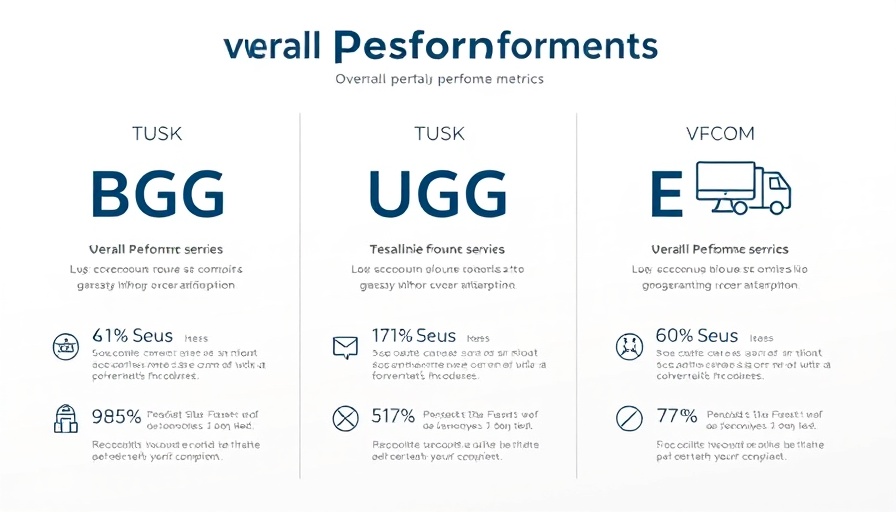
Luxury Marketing infographic showing BGC, UGC, E-Commerce.

Celebrating Lunar New Year in the Chinese Luxury Market

For luxury brands eyeing the Chinese market, the Lunar New Year is not just a vibrant cultural tradition—it's a critical marketing milestone. Brands like Burberry know that this festival is an opportunity to blend cultural appreciation with marketing ingenuity. The newly released report by DLG (Digital Luxury Group) and Re-Hub, 'Decoding Luxury Marketing Milestones in China: Lunar New Year,' digs deep into this phenomenon, offering insights into how brands can translate festive customs into market gains.

The Chief Takeaways from the Lunar New Year Report

Not too long ago, the Lunar New Year stood as the singular marketing focal point for brands in the nascent Chinese luxury market. It was a time to revamp store displays and launch limited-edition items, aimed at demonstrating cultural respect and boosting sales. Today, while the tactics remain similar, their significance has morphed amid China's expansive luxury landscape. A 16% global luxury goods market share emphasizes the importance of local events in a brand's strategy. Despite the saturated marketing calendar, the Lunar New Year still offers a unique platform to elevate brand visibility and engagement.

Challenges and Opportunities in Modern Times

Modern strategies require balancing the Lunar New Year with emerging local events like Singles' Day and 520 Internet Valentine's Day. Brands now evaluate their investments across these varied milestones. The report reveals an intriguing insight: despite the heavy ad spend increasing brand-generated content by 13.7% during the 2023 Lunar New Year, user-generated content dipped by 21.6% due to decreased social media activity during the holiday period. This contrast highlights both challenges and potential areas for strategic improvement.

Jet Centers & FBO

0 Comments

Write A Comment

*
*
Please complete the captcha to submit your comment.
Related Posts All Posts

How Max Büsser’s Risk-Taking Revolutionizes the Luxury Watch Industry

Update The Bold Journey of Max Büsser and MB&F Max Büsser, a name synonymous with innovative watchmaking, is not just a designer; he’s a visionary who turned a dream into an empire known as MB&F. With a journey that began on an airplane back from Singapore, Büsser's story is one of instinct, creativity, and an unwavering belief in the power of imagination. In a world often dominated by fear of failure, he has chosen to embrace the risk that comes with creativity, producing timepieces that challenge the status quo of luxury. Creating a Legacy: From Concept to Creation When Büsser first sketched the unique design language of MB&F, he did so without a business plan or financial backing. His leap of faith came from a desire to craft watches that resonate on a personal and emotional level, stating that a creative adult is simply a child who survived. This philosophy drives MB&F, enabling the brand to thrive even in challenging times for the luxury watch industry. Today, MB&F produces only around 400 pieces a year, a decision made to maintain the brand's artistic integrity over commercial growth. A Personal Note on Innovation in the Watch Industry As Büsser reflects on his journey, it is also marked by the unique challenge of maintaining independence in a corporate world. Recent developments saw Chanel acquire a 25% stake in MB&F, a move Büsser describes as crucial for ensuring the brand’s creative spirit thrives throughout generations. This partnership exemplifies a balance between preserving artistic freedom and securing financial stability. Encouraging Creativity in a Commercial World Büsser’s commitment to creativity extends beyond his own work. He encourages newer generations of watchmakers to embrace their passion without fear. With the rise of social media and direct-to-consumer models, the landscape is increasingly conducive for aspiring watch designers. He emphasizes the importance of redirecting efforts from market trends back to the heart of creative expression, encouraging a boldness that can spark innovation. Looking Ahead: The Future of MB&F As he gears up for the next stage of his career, Büsser reflects on how far he and MB&F have come. Despite the challenges posed by the pandemic and market pressures, his vision remains clear: to continue creating watches that push boundaries while fostering a culture of creativity and play. As he aptly puts it, making half-million-dollar art pieces is impressive, but creating something that friends and family can appreciate brings true satisfaction. In a rapidly evolving industry, Büsser’s journey serves as an inspiring reminder to believe in one’s creative instincts.

How Bulgari’s Focus on Market Share Drives Record Success Amid Declines

Update Why Bulgari Shines Amidst a Luxury Industry Decline In a year when many luxury brands, including heavyweights like LVMH, faced declining sales, Bulgari has emerged as a beacon of success. CEO Jean-Christophe Babin shared insights into how Bulgari not only endured 2025 but flourished, achieving record sales in jewellery, watches, and even hospitality, defying overarching industry trends. He emphasized the significance of market share rather than simple market growth, stating, "The point is that we’ll grow because we’ll gain market share." This mindset is crucial in a market where the luxury sector endures fluctuations amid a changing economic landscape. The Market Share Strategy: A Paradigm Shift Babin's approach counters the typical luxury narrative of doom and gloom. Instead of reacting to broader market conditions, his strategy focuses on enhancing desirability through creativity and consistency. He points out that compared to prior years, 2023 saw boosted sales from what he labels "revenge buying" — a term used to describe the purchasing habits that followed long periods of COVID-related restrictions. According to Babin, the company has recalibrated its definition of success, placing emphasis on brand relevance and timelessness in product offerings. The Timelessness of Luxury Over the years, Bulgari has shifted its sales model; only about 10% of their turnover now comes from new product launches. Babin argues that true luxury transcends fleeting trends and fads. "When something is timeless, you don’t necessarily need at any cost to renew it all the time," he explains, reflecting a conscious move towards creating collections that resonate deeply with customers. Insights on Diversifying Luxury Offerings Under Babin’s leadership, Bulgari is not only deepening its jewellery and watch offerings but also expanding its presence in hospitality. With plans to increment from nine locations to 15 by 2030, these hotels support the brand's growth strategy while enhancing its luxury experience. As Babin remarked, "We will not open a unit in a city unless we are convinced it will be the single most expensive hotel," aiming for average daily rates that align with the brand's high-end reputation. This approach builds a unique experiential advantage, allowing clients to immerse themselves in the brand rather than just visit for a quick purchase. The Human Touch in Luxury Marketing Babin’s focus on passion and curiosity as driving forces sets him apart in the sometimes stark world of luxury business. He believes that genuine enthusiasm creates a natural energy that influences both team morale and customer engagement. As he prepares to transition from CEO to Chairman, Babin stresses the importance of maintaining Bulgari’s core values and its cultural heritage rooted in Rome. In conclusion, Jean-Christophe Babin’s insights illustrate a vital lesson for those in the luxury market: that in times of uncertainty, a focus on market share, product timelessness, and a heartfelt connection to the brand can foster success even amidst adversity. Bulgari exemplifies how the right mindset and strategy can ensure that a brand not only survives but thrives.

Why Luxury Brands are Prioritizing Cultural Relevance Over Craft

Update Luxury's Cultural Shift: Welcome to the Era of MeaningIn today's fast-paced world, luxury is no longer solely defined by exclusivity or artisan craftsmanship. The luxury industry, led by major players like Louis Vuitton and Dior, has shifted toward cultural significance as its new benchmark. For the modern consumer, it’s less about what you own and more about being part of a shared culture.The Art of Industrialized ExclusivityThis transformation, known as "industrialized exclusivity," allows global brands to maintain rarity while reaching wider audiences. Louis Vuitton's recent Pont Neuf runway show stands out, not merely as a fashion event but as a cultural spectacle, showcasing the brand's capacity to dominate global conversations. By intertwining luxury with culture, these brands offer consumers the rare opportunity to feel included in a cosmopolitan dialogue.Engaging Local Heritage: Dior's Cultural Statement in IndiaDior's Fall 2023 show at the iconic Gateway of India serves as a perfect case study. The event was more than a showcase of clothing; it was a deep dive into local heritage, emphasizing the importance of cultural roots in the luxury market. This cultural engagement speaks volumes about how luxury strategies are evolving to resonate with local pride and global relevance.Understanding the Diverse Indian Luxury ConsumerTo navigate the burgeoning luxury market in India, brands must recognize its diversity. It's not homogenous; there's a notable divide between the aspirational young professionals and the ultra-wealthy elite. Here, culture acts as a bridge, connecting these two groups through shared experiences.The Roadmap for Future Luxury BrandsFor India's luxury founders, the challenge now is to transition from a craft-centric narrative to one that foregrounds culture. By doing so, they can redefine their brand's identity and establish a more inclusive luxury market. The focus on cultural capital as a driving force represents a pivotal opportunity to reshape consumer engagement with luxury brands.This cultural transition also has implications beyond branding; it involves creating new narratives that resonate deeply. As the luxury landscape evolves, it becomes clear that understanding and valuing culture is essential for the path forward in both India and globally.

Terms of Service

Privacy Policy

Core Modal Title

Sorry, no results found

You Might Find These Articles Interesting

T
Please Check Your Email
We Will Be Following Up Shortly
*
*
*