


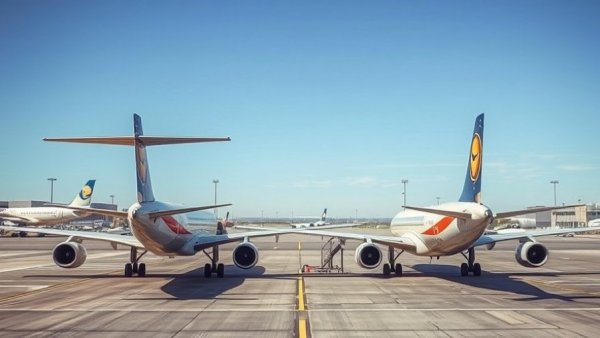
The Sky Isn't the Limit: Cancelled Flights Amidst Rising Jet Fuel Costs
The unfolding conflict in Iran is causing unprecedented disruptions in international travel, as soaring jet-fuel prices lead to a wave of flight cancellations, especially impacting routes from Asia to the U.K. Airlines are grappling with mounting fuel costs, dramatically altering travel landscapes and consumer habits.
Escalating Conflict Creates Travel Turmoil
As geopolitical tensions in the Middle East escalate, one of the most significant repercussions has been the war in Iran, which has severely impacted air travel. With fuel prices nearly doubling due to the blockade of the Strait of Hormuz, the heart of the global oil supply chain, carriers are forced to make difficult decisions about route viability and pricing. Aurigny, a smaller airline operating from Guernsey, has announced cancellations for flights, demonstrating the ripple effect of this conflict.
According to reports, over 30,000 flights have been cancelled across the Middle East since the conflict began, stranding vast numbers of travelers and influencing the buying decisions of millions. With demand dipping substantially—by as much as 13 percent for some airlines—companies are left scrambling to adjust their operations to maintain financial viability.
Diverse Impact on Airlines and Travelers
The aviation industry is facing significant disruptions. While U.S. airlines report a continued high demand for flights despite rising prices, their counterparts in the Middle East, such as Emirates and Qatar Airways, have dramatically reduced flights—by as much as 62%. This staggering reduction highlights the disparate impact of the rising fuel costs and safety concerns across different regions.
Furthermore, some airlines like United Airlines have already hinted at price increases of up to 20% to offset these costs, following a trend seen with Air France and KLM who increased their long-haul tickets by nearly $60. While U.S. carriers benefit from a robust customer base willing to absorb these costs, Asian airlines are struggling with a dual challenge: rising operational costs combined with a decline in consumer confidence to travel.
Business Adaptations in Aviation
To accommodate rising costs and shifting demand, airlines are required to adopt internal cost-reduction measures. Korean Air and Air New Zealand have both implemented strategies to consolidate routes in a bid to save on fuel consumption—an essential move in today’s volatile market.
The response to the current travel climate has led to heightened interest in factors such as travel insurance, which has seen inquiries surge as travelers attempt to safeguard their investments. Many are now prioritizing policies that provide cancellation flexibility amidst the turmoil.
Looking to the Future: Implications for the Travel Industry
The ramifications of the conflict in Iran extend beyond immediate cancellations and price hikes. Analysts are cautioning that if the situation does not stabilize, we could see an ongoing trend of flight reductions and increased fares that could reverberate throughout the global economy. With the tourism sector valued at approximately $11.7 trillion, even regions far removed from the conflict are beginning to feel the chilling effects.
Conclusion: Navigating Uncertain Skies
As travelers and airlines adjust to this changing travel landscape, understanding the broader implications of these disruptions is critical. With geopolitical conflicts continuing to shape the travel experience, consumers must remain vigilant, flexible, and well-informed about their travel choices. The war in Iran exemplifies how global events can ripple through the travel industry, reminding us all to take proactive steps in planning our journeys. Will these developments alter how you approach travel in the near future?





Write A Comment